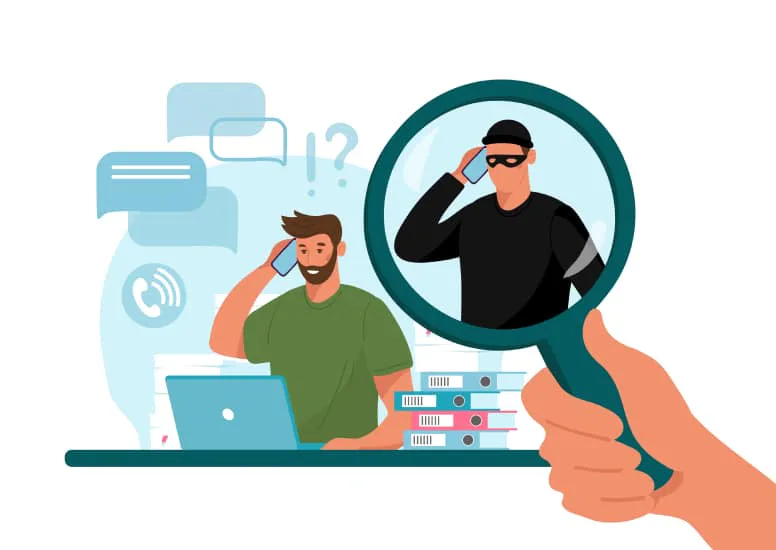
Ahrvo Comply has included gift card theft in guidance on transaction fraud prevention for online merchants, banks and gambling operators. Published on December 4, 2023, the article connects fraud detection with transaction monitoring, device information and additional identity checks for higher-risk activity.
For gift cards, Ahrvo identifies delayed discovery as a detection problem: the person whose card has been stolen may not immediately realize that anything is wrong. It places this risk alongside account theft, abuse of buy now, pay later arrangements and counterfeit stores that collect customers’ payment details.
The account theft discussion describes criminals obtaining credentials through phishing or data breaches. More broadly, the company defines transaction fraud around the use of stolen payment information or digital identities for unauthorized purchases, with businesses exposed to losses when transactions are disputed.
Merchant signals and financial institution controls
The e-commerce guidance highlights order patterns and inconsistent customer information as reasons to examine a transaction. Examples include unusually large or repeated orders, use of multiple cards, missing details and errors in submitted information. Ahrvo presents these as warning signs for review, rather than findings that a particular customer has committed fraud.
For banks and other financial institutions, the article combines customer education with staff training, behavior profiling and monitoring of transaction patterns. It draws a comparison with anti-money laundering monitoring, emphasizing the role of systems that bring potentially suspicious activity to attention.
Device checks and verification at withdrawal
Ahrvo’s gambling section focuses on traffic sources, behavior associated with affiliate channels, IP geolocation and AML screening. It also proposes facial authentication when customers withdraw funds, placing an identity check at that stage of the payment journey.
Across the sectors, the tools discussed include real-time transaction monitoring, device fingerprinting and fraud scoring. Ahrvo describes risk scores as a way to direct scrutiny toward transactions that require closer attention, with supplementary verification, including biometrics, available for high-risk cases.
Sources and documents
Collapse
In this article

Daniel Brooks
Daniel Brooks covers payment networks, financial technology, payment security, gift card fraud and PCI DSS for Gift Card News.