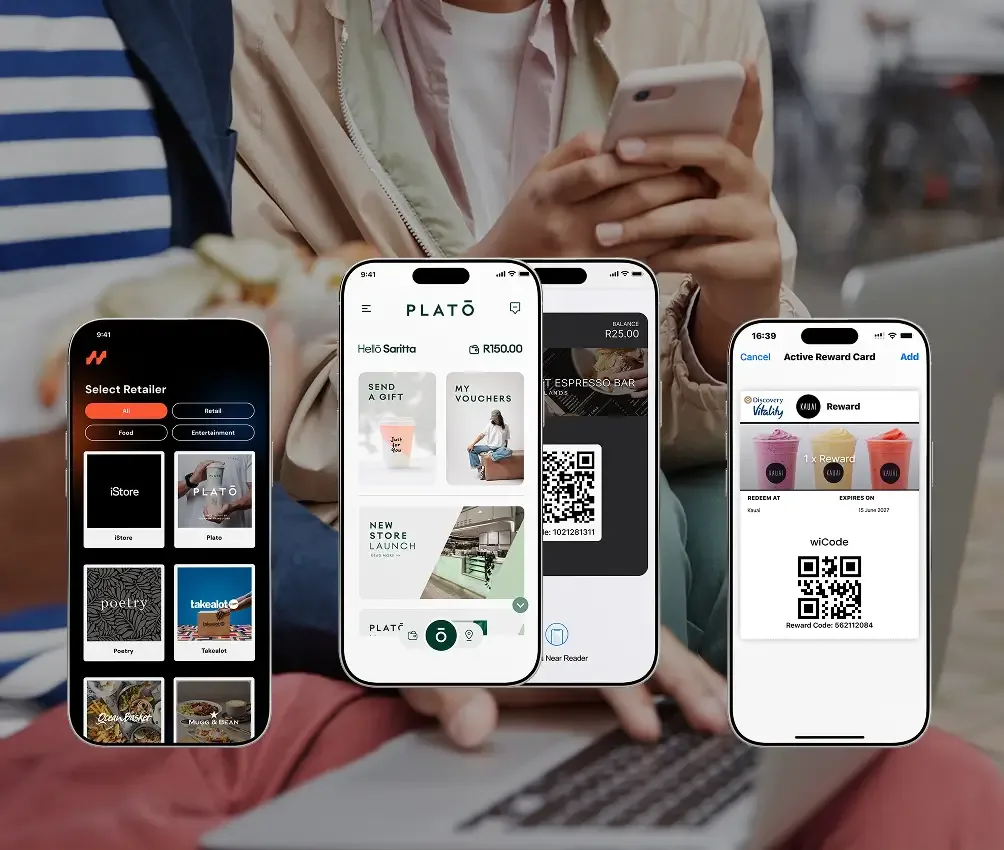
Yoyo is arguing that gift cards, loyalty schemes and rewards should be considered together, giving its distribution infrastructure a role across several kinds of commercial spending. Its March 27, 2026 comparison separates prepaid gifting from repeat-purchase incentives and rewards for a qualifying action. [S01]
The distinction concerns purpose as much as format. A gift card can be bought as a present, earned through points or funded as an employee award. The card may look similar in each case, while the reason for spending the money and the expected return differ.
Three decisions behind the same instrument
Show data tableHide data table
| Commercial purpose | Who is making the funding decision? | What would demonstrate value? |
|---|---|---|
| Purchased gift value | A consumer or corporate buyer | A useful purchase for the intended recipient |
| Repeat-customer incentive | The programme sponsor | Additional customer contribution after reward costs |
| Reward for a qualifying action | The organisation offering the incentive | A valid outcome worth the cost of obtaining it |
The categories reflect Yoyo's comparison; the funding and outcome questions are editorial analysis, not a measured ranking of programme performance. [S01]
A retailer receiving money for a gift card obtains cash before the recipient shops. That timing does not make the entire amount immediate profit, nor does it prove that the eventual purchase is additional to sales the retailer would otherwise have made.
Similarly, a points balance may encourage another visit, but it can also subsidise an existing habit. A reward for a referral or workplace achievement needs a valid qualifying event before its commercial value can be assessed.
Why the provider wants the categories to overlap
Yoyo supplies the infrastructure for issuing and redeeming gift cards and vouchers. The March article presents a gift card as one possible delivery mechanism inside a wider loyalty or reward programme, rather than a separate system that must always stand alone. [S01]
That gives the provider several entry points into a business. A customer may first need corporate gifts, then use related infrastructure for referral rewards or customer retention. The supplier's opportunity is to support more recurring activity through the same relationship.
The current product page confirms that the service handles both single-use vouchers and gift balances designed for multiple redemptions. [S02] A shared connection therefore does not require every programme to offer the same product or conditions.
Measurement has to follow the money
Counting issued cards across all three purposes can make activity appear comparable when the economics are not. A purchased gift, a promotional award and a redeemed loyalty benefit represent different decisions about funded value.
The useful question is what happened after the expenditure. Did a recipient obtain the promised product? Did a sponsor acquire an additional customer contribution? Did a qualifying action justify the incentive? The answers require programme records and an appropriate comparison, not only issuance totals.
Yoyo's article makes a case for common delivery infrastructure, but its broad claims about revenue and retention are not accompanied by a comparative study. The platform's commercial advantage is versatility. The buyer's advantage depends on using that versatility for a clearly funded objective, with outcomes that can be distinguished from the reward itself.
In this article

Daniel Brooks
Daniel Brooks covers payment networks, financial technology, payment security, gift card fraud and PCI DSS for Gift Card News.