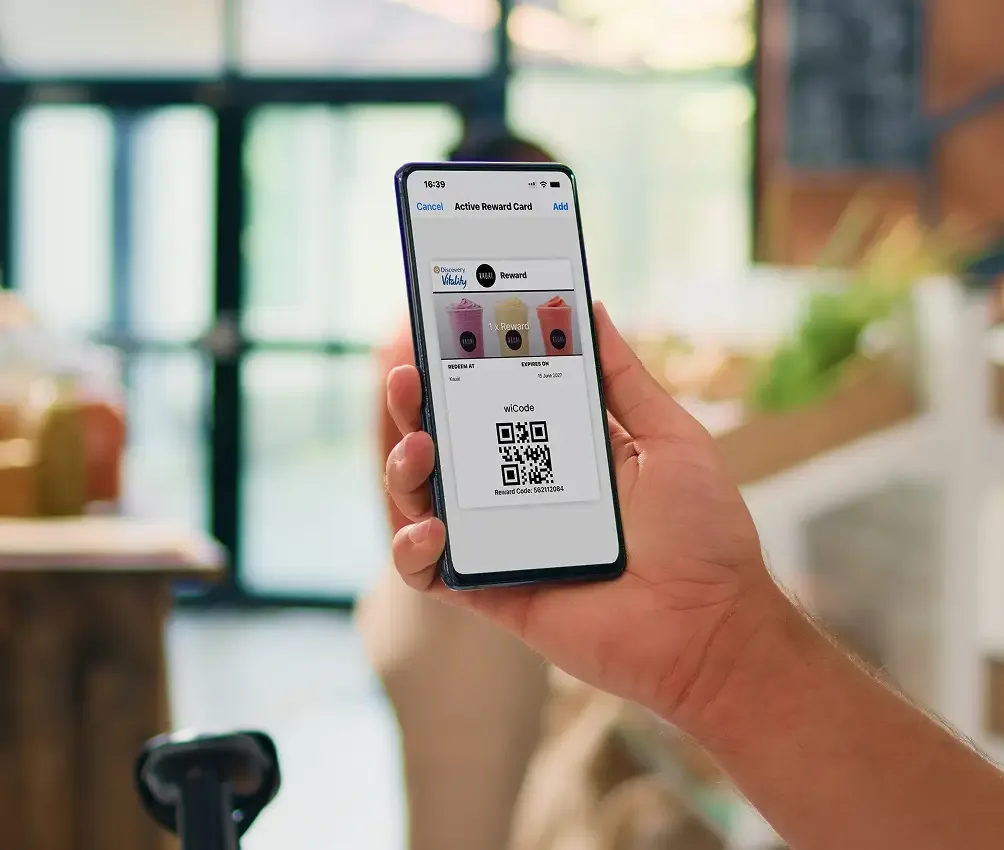
Yoyo's March 29, 2026 account of wiCode sets out the commercial value of a common connection between companies funding rewards and retailers accepting them. The company describes infrastructure for issuing and redeeming vouchers and gift cards, rather than a new consumer payment account. [S01]
For a reward sponsor, the attraction is access to an existing retail network without arranging a separate technical connection to every participating merchant. For Yoyo, more programmes issuing value can make the network more useful to its retail partners.
One network, several kinds of value
Yoyo says its wiCode infrastructure reaches more than 27,000 South African stores. That is a company-reported network figure, not a count of shops at which every code is unrestricted. Acceptance depends on whether the issued product is limited to a particular retailer or configured more broadly. [S01]
The company also distinguishes a one-use voucher from a gift card whose balance can be used over several purchases. Promotional configurations can include percentage discounts, spending thresholds or particular products. [S01]
Those distinctions affect who pays and what the recipient can buy. A discount conditional on a larger basket is a different promise from a funded balance. Presenting both as unrestricted cash would misstate the product.
Yoyo's platform therefore sells more than distribution reach. It supplies a way to carry the sponsor's configured offer into a participating checkout. The commercial value depends on those rules being understood at both ends.
Earning the reward remains a separate decision
The March account explicitly says wiCode is the issuance and redemption layer, while the sponsor needs a loyalty system to decide when value has been earned. [S01] Connecting to the network does not decide whether a customer qualifies for a reward.
That boundary matters for disputed incentives. A correctly processed code cannot resolve a disagreement about the purchase, referral or employment milestone that supposedly earned it. The sponsor remains responsible for the underlying offer.
Current developer documentation describes a further distinction at checkout: authorising a redemption must be followed by a finalisation or reversal message. [S02] Technical access to a network consequently does not eliminate the need for dependable merchant integration.
Why retailers and issuers need each other
A broad redemption footprint can help a sponsor offer useful choice. Retailers, in turn, can receive spending funded by an employer, loyalty programme or another organisation that they did not acquire through their own gift card shop.
That is the potential network effect, but it is not a disclosed revenue-sharing formula. Yoyo's article provides no uniform fee, merchant commission or programme margin.
The cost of the reward also remains separate from the cost of reaching the network. Greater acceptance may improve the recipient's opportunity to spend, while the sponsor still has to decide whether the qualifying behaviour justifies the incentive.
The March publication explains how a shared service can reduce separate connections. It does not establish universal acceptance, flawless redemption or a measured sales increase for participating merchants. Its strongest business argument is the connection itself, provided that the product's restrictions and each party's responsibilities remain clear.
In this article

Maya Bennett
Maya Bennett covers customer loyalty, employee rewards and incentive programmes for Gift Card News.