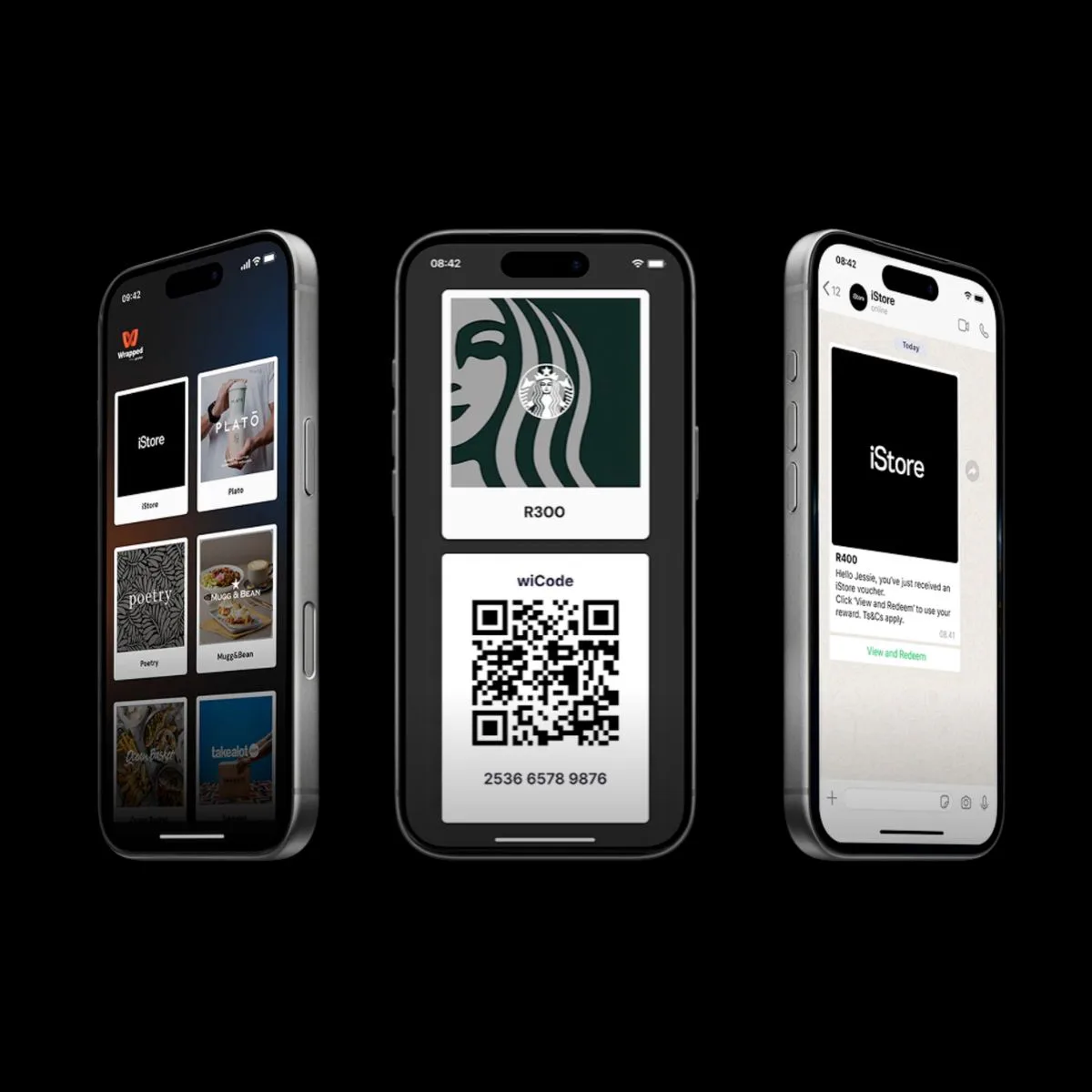
Yoyo's May 28, 2026 explanation of digital gift card platforms makes a case for buying the operating machinery around prepaid value, rather than treating a gift card as a code sent to a phone. The company links issuance, delivery, redemption and reconciliation within one enterprise service. [S01]
That positioning targets a different buying decision from a one-off gifting order. A business distributing rewards repeatedly needs records that survive a failed checkout, a disputed balance or a change of provider. The appearance of the card matters to the recipient; the continued accuracy of the obligation matters to the operator.
A commercial role between the sponsor and the store
Yoyo provides gift card and voucher infrastructure connecting reward issuers with retail redemption. The May publication describes a range of configurations, from a one-use promotional discount to a balance spendable over several transactions. [S01]
Those products are not interchangeable. A sponsor offering a percentage discount controls a different expense from one allocating a fixed funded balance. Restricting eligible products or merchants can further change what the recipient receives.
For Yoyo, supporting several configurations through a common service expands the programmes a customer can operate without selecting another provider. For the buyer, the intended advantage is less separate integration work. Neither establishes that one platform is the least expensive choice for every organisation.
A checkout has to close the transaction
Current technical documentation requires redemption to be authorised and then finalised or reversed. It also provides a preliminary check of a code's type, status, available value and restrictions. [S02]
This gives substance to the platform proposition. Recognising a valid code and recording the final use of its value are distinct steps. An unfinished purchase needs a different outcome from a completed one, even when the same code was presented in both cases.
The consequence for the merchant is a continuing need to reconcile checkout with the reward record. A central service can provide the information, but it cannot make a faulty implementation correct merely by being connected.
The same caution applies to money held before redemption. Yoyo's publication discusses funded balances and settlement, but it does not provide one contract defining custody, ownership and payment obligations for every arrangement. [S01] A product description cannot settle those responsibilities on its own.
The switching cost is part of the decision
A platform serving outstanding gift balances can remain operationally important long after the original sale. Moving to another provider means preserving the customer's ability to spend valid value, not just moving a marketing contact list.
That creates a commercial advantage for the incumbent supplier and a legitimate continuity concern for the buyer. It also gives customers a reason to examine exportable records, support responsibilities and migration arrangements before dependence grows.
The May article is a vendor's account of the work its service can perform. It contains no independent measure of prevented fraud, implementation savings or error-free redemption. The strongest case for the product is more specific: making the lifecycle of issued value visible and manageable. Whether it does that economically depends on the contract and the operation built around it.
In this article

Oliver Reed
Oliver Reed covers industry acquisitions, investment and market research for Gift Card News.