Gift card reselling involves catalogue selection, activation, delivery and transaction tracking as well as a storefront. In a July 22, 2025 guide, zendit explains how its reseller API connects those tasks and describes the onboarding process for businesses.
The company said its catalogue contained 16,000 gift card products at the time of the guide. Its described services include bulk pricing, personalized recipient messages and branded delivery, alongside activation and reporting.
Reseller API integration and reporting
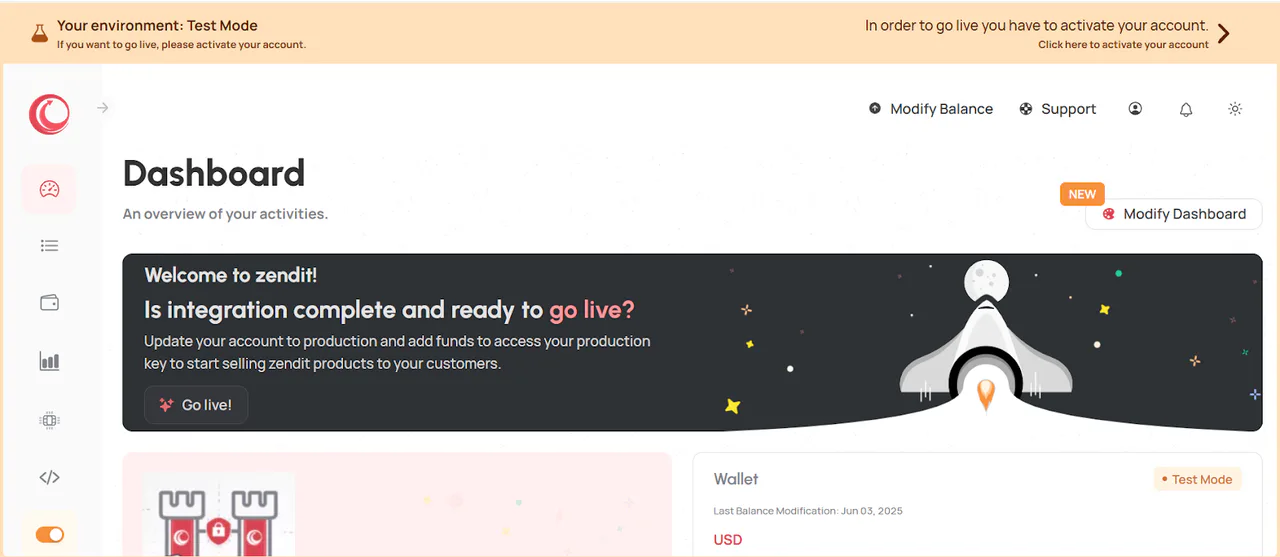
To integrate the API, businesses can follow a series of steps, including signing up for a zendit account, starting with the test mode, and changing to production mode when familiar with the platform. The article also provides guidance on how to use the API's endpoints, such as the 'GET vouchers' endpoint to retrieve a list of available gift card products and the 'Post Purchase' endpoint to purchase selected gift cards.
Zendit's gift card reseller API also provides transaction and business reports, allowing businesses to track their performance and make data-driven decisions. Additionally, the API offers no inventory requirements, immediate activation and delivery, and a verified catalog of gift card products from trusted retailers.
The guide recommends using transaction reports to monitor activity and margins, and offering a range of brands to serve corporate reward buyers with different recipient needs. zendit argues that those buyers can provide demand outside peak personal-gifting seasons.
zendit says its API can be integrated into different application environments and promotes an integration time of 24 hours. That is the provider's stated implementation claim; the actual onboarding includes business information, payment arrangements and separate production credentials.
API access controls
In terms of security, zendit's API offers features such as API keys regeneration, IP addresses whitelisting, and webhooks with authentication headers. The company also provides a clean product catalog, allowing businesses to disable products they don't intend to sell.
In this article

Maya Bennett
Maya Bennett covers customer loyalty, employee rewards and incentive programmes for Gift Card News.