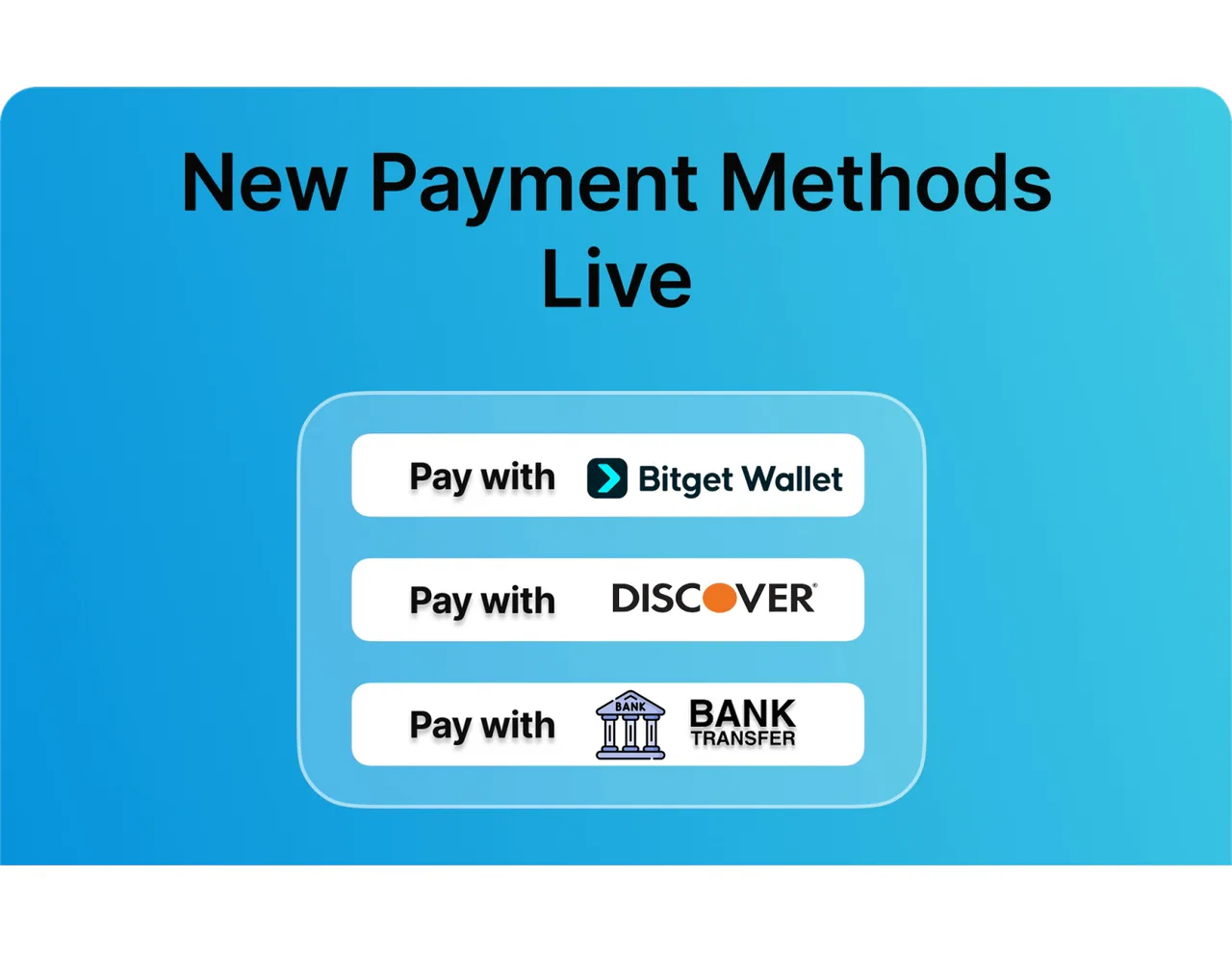
CoinGate added Bitget Wallet, Discover cards and bank transfers to its gift-card checkout on August 11, 2026. The three routes bring crypto-wallet users, conventional cardholders and bank-account customers into the same catalogue, broadening how purchases can be funded without changing the gift cards themselves. [S01]
The business behind the catalogue
CoinGate Gift Cards operates under a familiar crypto-payments brand, but its legal structure matters. The site identifies Rewards Distributed, UAB as the gift-card operator, separate from CoinGate’s crypto-services provider. Its terms describe a Lithuanian purchasing agent that buys cards in its own name on the customer’s instructions and receives remuneration for doing so. [S02]
That model puts the checkout between the buyer and the card issuer. The customer pays to obtain a particular brand’s stored value; the brand remains responsible for the subsequent redemption relationship. An additional payment method changes access to that transaction, not the underlying retailer’s acceptance rules.
Three payment audiences
Bitget Wallet describes its product as self-custodial: users control their private keys and authorise transactions from their own wallets. Its broader proposition combines holding digital assets with spending them. A gift-card checkout supplies a practical destination for that balance without requiring every retailer in the catalogue to accept cryptocurrency directly. [S03]
Discover performs a different role. Its payment network connects card acceptance with issuers and their customers. Adding that route allows the gift-card shop to serve an established card-payment audience alongside crypto users. It does not mean Discover issues the individual retail gift cards being purchased. [S04]
Bank transfers add a third source of purchase funds. CoinGate’s announcement places them in the same payment-method expansion, although it does not supply a full country list, common fee schedule or complete description of the supported transfer schemes. The available choice therefore still depends on the actual checkout. [S01]
More access, with the same fulfilment obligation
The commercial opportunity for the operator is to lose fewer prospective orders because a buyer lacks a supported funding method. For a wallet provider, a retail catalogue adds spending utility. For a card network, a new checkout is another acceptance point. Those are different interests, even when the customer sees them as neighbouring buttons.
The operator’s terms also explain why adding payment methods is only part of the work. Orders require the selected redemption region, prices include the relevant commission, and fulfilment depends on acceptance of the order. The issuer’s conditions continue to govern use of the resulting code. [S02]
This leaves an important distinction between checkout convenience and completed retail value. Payment authorisation, delivery of the code and successful redemption are separate stages. Broader funding choice can help the first of them, while the catalogue operator still has to complete the second and the issuer the third.
CoinGate has not published conversion results for the new routes. The verified change is therefore greater payment choice around its gift-card distribution business, with the potential to reach buyers who would otherwise have needed a different way to pay.
In this article

Suzie Elis
Suzie Elis covers gift card products, digital gifting and distribution for Gift Card News.