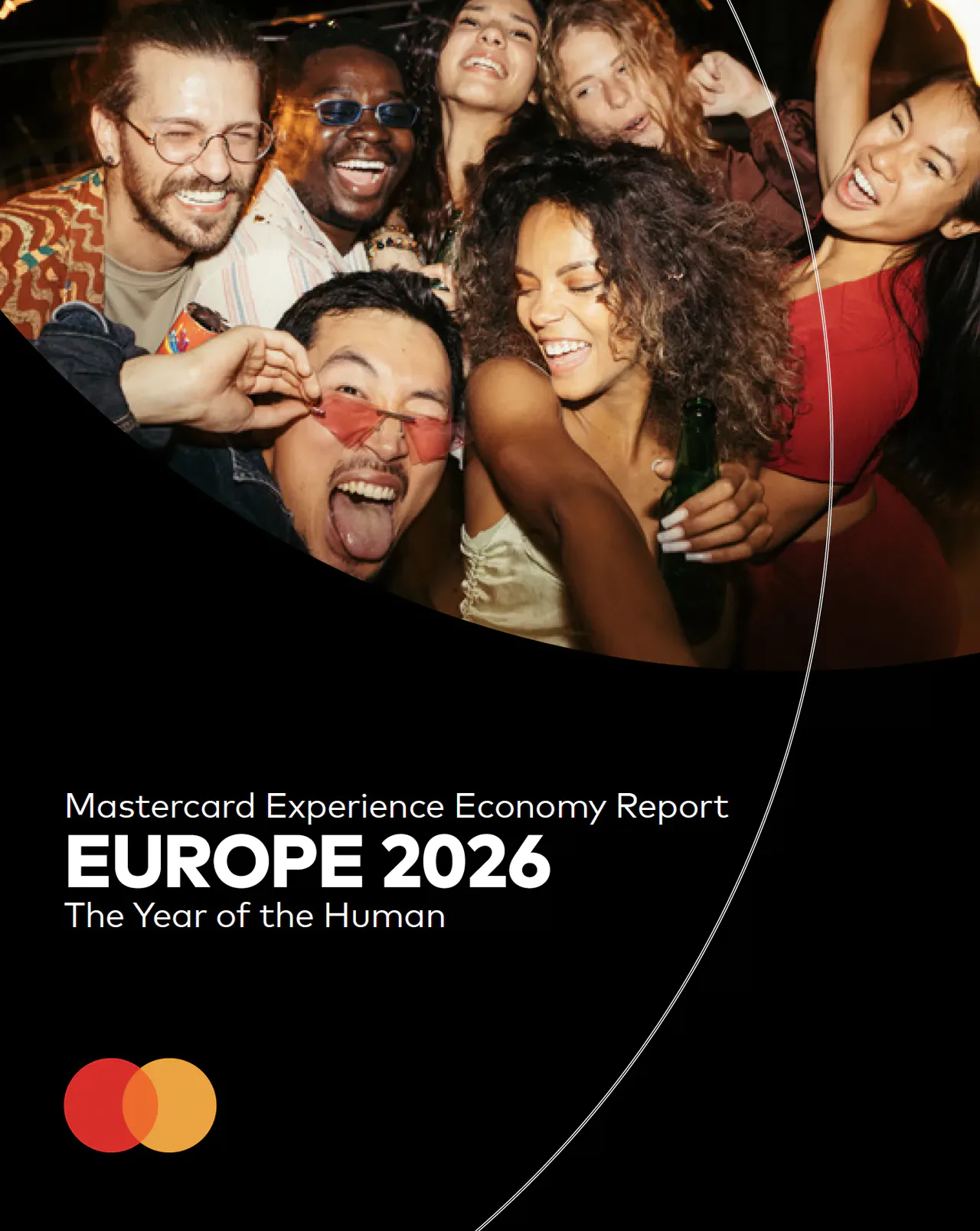
Mastercard's research released on May 7, 2026 found that 60% of respondents would use local businesses more often if they offered experiences as gifts. Research partner 3Gem conducted the survey, while Trend Hunter interpreted emerging leisure trends in the accompanying report.
Travel and tourism led the activities respondents wanted to do more of that summer, at 79%, followed by food-related experiences at 70% and outdoor activities at 69%. The report also found 57% willing to pay more for activities that supported local businesses or their area. These figures describe stated interest and willingness, not completed purchases or spending growth.
3Gem surveyed 27,000 people in February 2026 across 28 countries in Mastercard's European grouping, which includes Israel. The public materials do not disclose recruitment, weighting, individual country sample sizes or the full questionnaire. The categories below are overlapping stated intentions and do not add to a market share.
Experiences respondents wanted to do more in summer 2026
February 2026 survey about summer 2026; released May 7, 2026.
% of respondents
Tap or hover for details. All values are also available in the data table.
Source
Stated desire to do more, not actual expenditure, bookings, gift-card demand or measured growth. Multiple categories may apply; the public source does not disclose response-base detail or uncertainty intervals.
Show data tableHide data table
| Category | % of respondents |
|---|---|
| Travel and tourism | 79 % of respondents |
| Food experiences | 70 % of respondents |
| Outdoor experiences | 69 % of respondents |
| Live events | 69 % of respondents |
| Wellness and health | 68 % of respondents |
| Film experiences | 66 % of respondents |
| Family experiences | 63 % of respondents |
| Outdoor games and rides | 63 % of respondents |
| Historical or heritage | 62 % of respondents |
| Theatre | 62 % of respondents |
Sixty-four percent favored human recommendations over algorithms, and 46% were willing to reduce technology and streaming spending to fund experiences. The study connected those choices with demand for activities involving other people and time away from screens.
Mastercard and Trend Hunter grouped the findings into six themes covering offline experiences, shared interests, communal activities, local connections, nostalgia and independent businesses. In the detailed report, 63% expressed interest in intentionally offline experiences and 58% in gatherings addressing the challenges of modern life. Those measures are interest, although the release described digital-detox attendance as a plan. Separately, 41% expected to participate in more nostalgia-based experiences during the year and 72% expressed interest in experiences reviving past cultural moments.
Mastercard Economics Institute economist Natalia Lechmanova interpreted the findings as an interest in the quality of experiences and human connection. Trend Hunter futurist Courtney Scharf described consumers using automation for efficiency while choosing different forms of leisure; those were the researchers' interpretations.
The announcement also highlighted Mastercard's Priceless platform, including Dala-horse painting in Sweden, a storytelling tour in Athens and an e-bike trip in Croatia's Papuk UNESCO Global Geopark. Those were examples of the company's cardholder experiences, rather than products offered by every local business covered by the survey.
In this article

Maya Bennett
Maya Bennett covers customer loyalty, employee rewards and incentive programmes for Gift Card News.