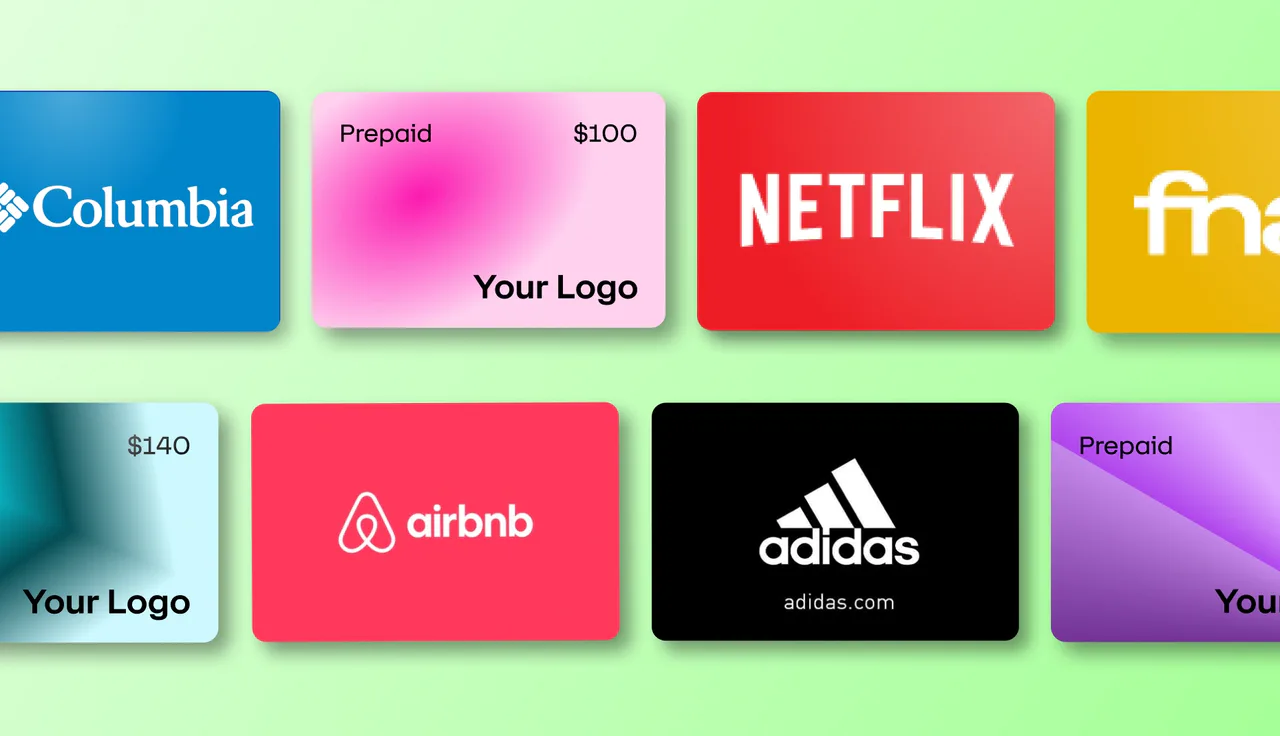
Runa’s May 19 loyalty commentary argues that a member should be able to redeem earned value without first committing it to a particular retailer. The company presents prepaid cards as a complement to merchant gift cards, targeting the point where a programme’s catalogue no longer matches a recipient’s immediate plans. [S01]
The distinction changes the commercial role of the distributor. Supplying a merchant card connects a reward to a particular retail destination. Supplying a network prepaid card keeps the infrastructure provider involved while leaving more of the eventual spending decision to the recipient.
Expanding the same customer relationship
Runa’s March 2023 rebrand from WeGift explicitly reflected an intention to move beyond gift cards into additional reward and payout formats. [S02] The May argument is consistent with that longer strategy.
The commentary says both gift cards and prepaid can use the same ordering infrastructure. It emphasizes programmes whose members know they want to redeem but have not settled on where to spend. [S01]
For an established gift card supplier, offering that alternative can retain volume that might otherwise move to another payout provider. For a programme operator, it can widen choice without necessarily maintaining a separate commercial relationship for each format.
That is the incentive on each side, rather than evidence that one option will always be more profitable. Merchant pricing, the cost of the prepaid product and the mix recipients select determine the actual economics.
Flexibility still comes with a product
Runa’s current reward-card description identifies a single-load Visa product issued by Sutton Bank. It also says usage depends on card type and region. [S03]
Recipient choice therefore operates within a payment product's conditions. The card may reach more merchants than a single-brand voucher, but it remains different from unrestricted cash.
A June 2026 Runa support article illustrates one operational boundary: suspicious use can lead to a hold, with identity verification required to resolve it. [S04] That is relevant context for broad claims about frictionless spending.
Programme design has to accommodate that service stage. Moving a member out of a brand catalogue does not remove the possibility of a declined purchase, a hold or a support request. It changes the nature of those problems and who is responsible for solving them.
Unused points are not a diagnosis
The May commentary uses large hotel-loyalty balances to frame the issue. Those balances, on their own, do not establish that a gift card catalogue caused members to delay redemption. [S01]
That limitation matters to the economic argument. A programme can have outstanding points for several reasons, including the timing of earning and spending or the reward a member is saving for. A new payout format needs to be evaluated against the actual behaviour it is meant to change.
Runa’s proposition is strongest when a programme has evidence that users want access to value but lack a suitable destination. In that situation, prepaid can offer another route. The supplier gains a broader role, while the member gains a different spending choice.
The article provides no measured comparison showing how much this change increases redemption or reduces outstanding balances. Its contribution is a product-positioning argument about choice, not a demonstrated remedy for the entire loyalty market.
In this article

Emma Carter
Emma Carter covers retail, e-commerce and the gift card shopping experience for Gift Card News.