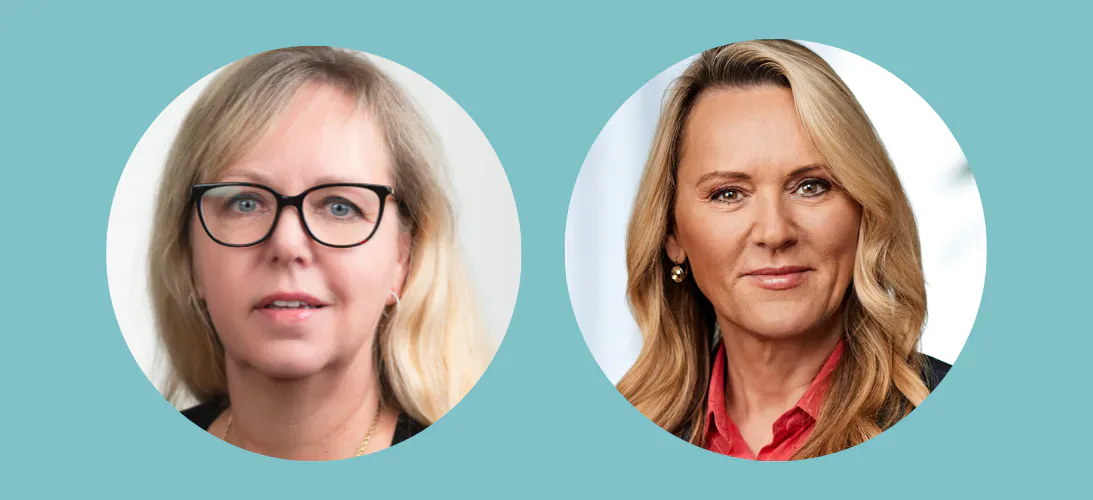
Diggecard has added technology and financial experience to its board as it prepares for further international growth. The gift card provider announced the appointment of Silje Nesvik and Sarah Lerche on January 21, 2026, following a general assembly decision. Susanne Brønnum remains chair, alongside existing directors Olav Balandin and Torkel Hope. [S01]
The appointments address a practical challenge in expanding a gift card business: increasing distribution without allowing the cost and complexity of each new programme to rise just as quickly. Technology and finance expertise matter because catalogue size alone says little about the economics of servicing merchants and reward buyers.
A business operating on both sides of the gift
Diggecard was founded in Bergen in 2014. Its January announcement describes merchant gift card outsourcing and a portfolio for businesses running incentives, employee benefits and promotions, with offices in Norway, the UK and Pakistan. [S01]
The company offers both self-managed products and bespoke technology. Its account of its development identifies the acquisition of UK gift card expertise in 2019 as a step in building an international organisation, and its current company page lists more than 500 retail partners. [S02]
This combination places Diggecard between merchants that want help running a programme and organisations that want to buy or distribute rewards. The commercial opportunity is broader than selling an individual card: technical connections, programme operation and access to business buyers can all make the relationship useful over time.
That breadth also creates different demands. A standard platform can spread development work across customers. A bespoke implementation may win an important account while requiring additional engineering and support. Without contract-level figures, neither approach can simply be declared more profitable.
What the new directors bring
Diggecard attributes technology leadership, product development and international scaling experience to Nesvik. Lerche's background includes co-founding Escalon Services and serving as its CFO. The company identifies finance, funding and acquisition strategy among the capabilities the appointments add. [S01]
The relevant link is between product decisions and their financial consequences. A board assessing a new country or platform partner needs to understand how quickly customers can go live, how much work each integration creates and whether the resulting business will support its ongoing costs.
Finance experience can also help distinguish the gross value of rewards moving through a business from the revenue and cash it actually earns. A large gift card order may look impressive but still carry fulfilment obligations, settlement timing and customer-support costs. Public information about these appointments does not disclose Diggecard's margins or working-capital position.
Technology experience brings a complementary question: which capabilities can be reused? Common infrastructure can make expansion less labour-intensive, while local redemption requirements and customer needs can still require adaptation. That is an economic trade-off, not a reason to assume every system should be identical.
Governance signals ambition, not a transaction
The announcement specifically frames the board changes around the company's next international phase. It does not announce a fundraising round, an acquisition target or an agreement to sell the company. [S01]
For gift card customers, the meaningful outcome would be a provider able to maintain service quality while supporting more markets and programmes. For shareholders, it would be growth with disciplined use of capital. The appointments add experience relevant to those aims; evidence that the strategy works will have to come from subsequent operations and disclosed results.
In this article
Daniel Brooks
Daniel Brooks covers payment networks, financial technology, payment security, gift card fraud and PCI DSS for Gift Card News.