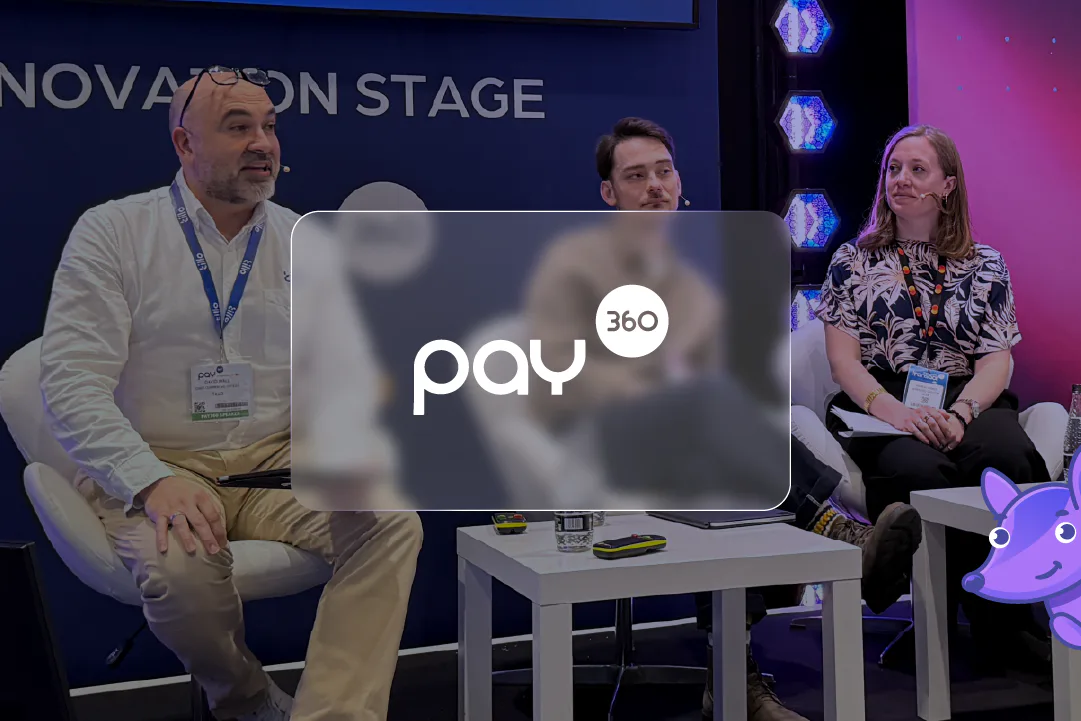
Tillo's July 24, 2026 payments commentary argues that self-use gift cards can give fintechs a place in everyday shopping. Drawing on its PAY360 panel, the company points to Cheddar and Tesco to illustrate how upfront savings and retailer value can sit inside a payment journey. [S01]
The commercial exchange is different from simply paying with a bank card. The shopper commits money to a retailer's gift card, potentially receiving a discount or cashback in return. The retailer gains prepaid spending tied to its brand, while the app has a reason for the user to return.
Upfront cashback and the restrictions on prepaid spending
Tillo supplies connections between card brands and distributors. Its Brand Hub describes passing part of a merchant discount through to consumers in cashback programmes, while its Buyer Hub gives distributors access to card discounts. [S02][S03]
That is the mechanism behind the promise of better economics. A negotiated discount can fund a consumer benefit and potentially leave something for the businesses delivering it. The commentary does not disclose how a particular transaction's margin is divided.
Cheddar's public retailer pages, checked October 19, advertise cashback of up to 4.5% for Tesco and up to 3.5% for both Sainsbury's and ASDA. These are current promotional ceilings that may depend on boosts or other perks. The final offer is shown in the app; the figures neither establish the July rates nor reveal the margin shared with Tillo or a retailer. [S07] [S08] [S09]
Cheddar's advertised maximum gift-card cashback
Public retailer-page ceilings observed October 19, 2026.
%
Tap or hover for details. All values are also available in the data table.
Sources
Conditional advertised maxima, not guaranteed standard rates, measured customer savings or Tillo's transaction terms. Perks and boosts may change the offer. Merchant-specific use rules and the current in-app offer apply. These October observations do not establish what a customer received in July.
Show data tableHide data table
| Category | Advertised maximum cashback |
|---|---|
| Tesco: up to | 4.5% |
| Sainsbury's: up to | 3.5% |
| ASDA: up to | 3.5% |
The distinction between reward timing and delivery also matters. Cheddar's June 2025 terms describe gift cards typically appearing within one to five minutes after payment, with some payments taking up to two hours. Instant cashback language therefore should not be read as an unconditional card-delivery guarantee. The terms also distinguish gift-card cashback from the automatic bank-transaction cashback programme, which they say closed to new rewards after January 26, 2025. [S06]
It also does not establish that a shopper spends more overall. A discount on a purchase already planned can attract app usage without creating additional demand for the retailer.
Cheddar's January 2026 documentation says users buy a gift card by selecting their bank and approving payment in their banking app; the card and cashback then appear in Cheddar. [S04]
This clarifies the role of open banking in the described flow. It can provide a way to initiate payment, but that should not be confused with proof that the app knows every customer's next purchase.
Cheddar's separately published reloadable-card documentation includes Tesco, with top-ups applied to an existing card rather than requiring a new one each time. That feature predates Tillo's 2026 commentary and is background to its self-use argument. [S05]
A reusable card can make repeat shopping less cumbersome. It also means the customer's balance remains associated with that retailer, so convenience depends on continuing to want to spend there.
Cheddar's terms describe completed gift card purchases as final, with attempted refunds dependent on the original issuer accepting the request. Merchant-specific conditions also apply. [S06]
Those limits matter when comparing a gift card with money left in a bank account. Immediate cashback does not make the stored value equally flexible, and an unused balance can offset some of the perceived saving.
For Tillo, the strategic opportunity is recurring distribution through apps that already have consumer relationships. For the app, merchant-funded value can support engagement without relying entirely on its own marketing budget. For the merchant, the question is whether the discount buys valuable distribution rather than subsidising existing customers.
The model can align all three interests, but the July commentary supplies an argument for that alignment, not transaction-level evidence that each party's return has improved.
In this article

Emma Carter
Emma Carter covers retail, e-commerce and the gift card shopping experience for Gift Card News.