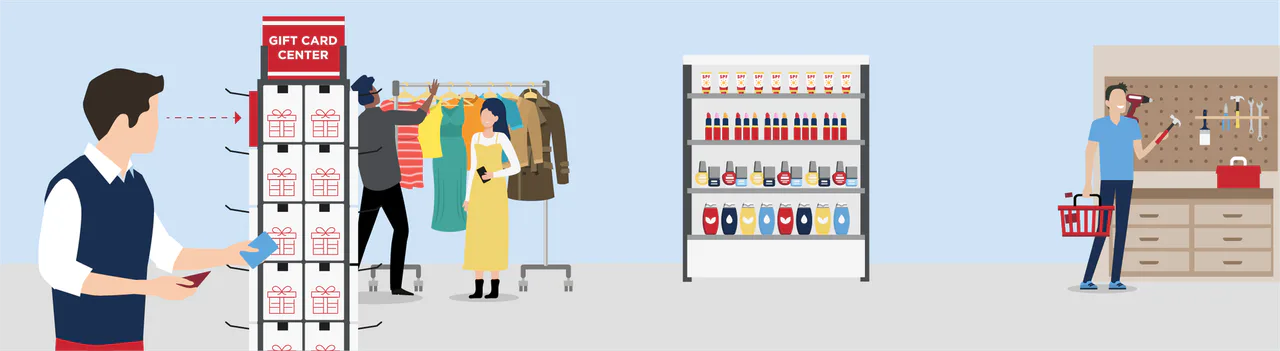
InComm Payments has detailed the process behind its retail gift card planograms, explaining how sales data and a merchant's objectives become a layout for the cards on display. Kavin Sivapalan, vice president of business analytics, describes a sequence that runs from assortment planning through installation and post-reset analysis.
A planogram specifies where products should sit within a fixture. For gift cards, that can mean arranging several categories and brands in a space that shoppers may browse only briefly. InComm begins with the retailer's commercial priorities and wider retail trends before developing the proposed assortment.
The next stage uses product performance and aggregated industry data to consider the brands and categories that belong in the range. The resulting product list feeds into a layout that takes account of category demand, brand trends and the number of positions available on the display.
High-demand cards may be placed at eye level, but the company says the design also depends on the fixture and the quantity of products it must hold. Regional and individual store requirements can lead to different layouts within the same retail programme. This makes the planogram a practical merchandising specification rather than simply a list of brands.
Once the retailer and InComm have agreed the layout, merchandising teams install it. The company says resets typically take place in April and October. The spring reset accommodates occasions such as graduation and spring holidays, while the autumn work prepares for the year-end gifting period. Changes also create opportunities to introduce brands to the assortment.
On request, InComm can review performance six to eight weeks after a reset. That analysis is intended to inform the next change to the display, connecting observed sales with future assortment and placement decisions.
The process gives retailers several separate points of control: the overall gift card strategy, which products to stock, how to adapt a layout to local stores and when to measure the results of a change. InComm presents data analysis and merchandising execution as connected parts of maintaining the programme through successive seasons.
Sources and documents
Collapse
- Planograms for Gift Card Sales — incomm.com
In this article

Oliver Reed
Oliver Reed covers industry acquisitions, investment and market research for Gift Card News.