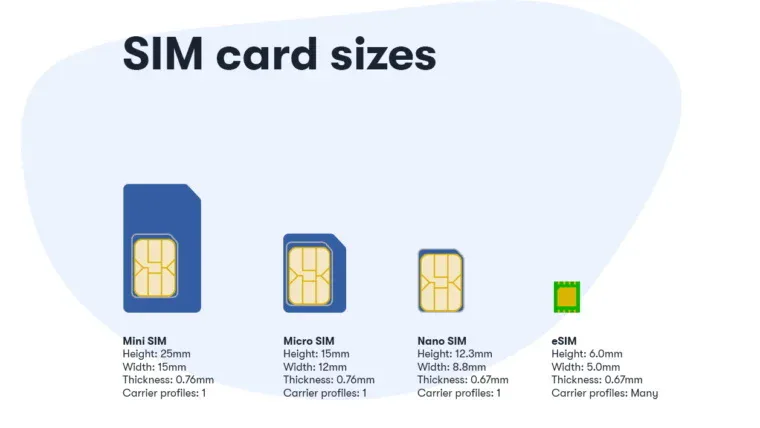
Digital provisioning lets businesses activate and manage mobile connectivity without distributing a physical SIM for each change. In guidance published on July 20, 2026, zendit examines how eSIMs fit workforce connectivity, connected devices and rewards that provide mobile data.
According to the article, eSIMs are becoming essential across smartphones, IoT, and enterprise, as they allow businesses to activate devices digitally, streamline operations, and support connected services across multiple markets. The article highlights the differences between eSIMs and physical SIMs, including the fact that eSIMs are digitally provisioned and can be easily activated on a device through a QR code.
The guide cites Trusted Connectivity Alliance data reporting about 605 million eSIM shipments globally in 2025, an 18% increase from 2024, alongside 43% growth in consumer-device usage. It also discusses GSMA's SGP.32 specification as a development supporting remote provisioning for IoT devices.
One of the benefits of eSIMs for businesses is their use as gifts for employees and customers. The article suggests that eSIM data plans can be a valuable gift, especially for employees who spend a lot of time online. Additionally, eSIMs can be used to support global connectivity, reduce roaming costs, and simplify IoT deployments.
The article also highlights the flexibility and scalability of eSIMs, which can be easily switched between multiple carriers. This makes them ideal for organizations with a global workforce. Furthermore, businesses can partner with mobile network operators or mobile virtual network operators to sell digital eSIM data plans to consumers, IoT clients, and travelers.
In the July 2026 article, zendit described its white-label offering as providing a catalogue of more than 600 operators in 190 countries. The company says businesses can integrate data-plan sales into an app or website and present the service under their own branding.
Compatibility remains part of deployment planning. The guide notes that devices and carriers must support the relevant eSIM provisioning, and downloading or activating a new profile typically requires an internet connection. Once activated, the profile provides access to the mobile network.
In this article

Maya Bennett
Maya Bennett covers customer loyalty, employee rewards and incentive programmes for Gift Card News.