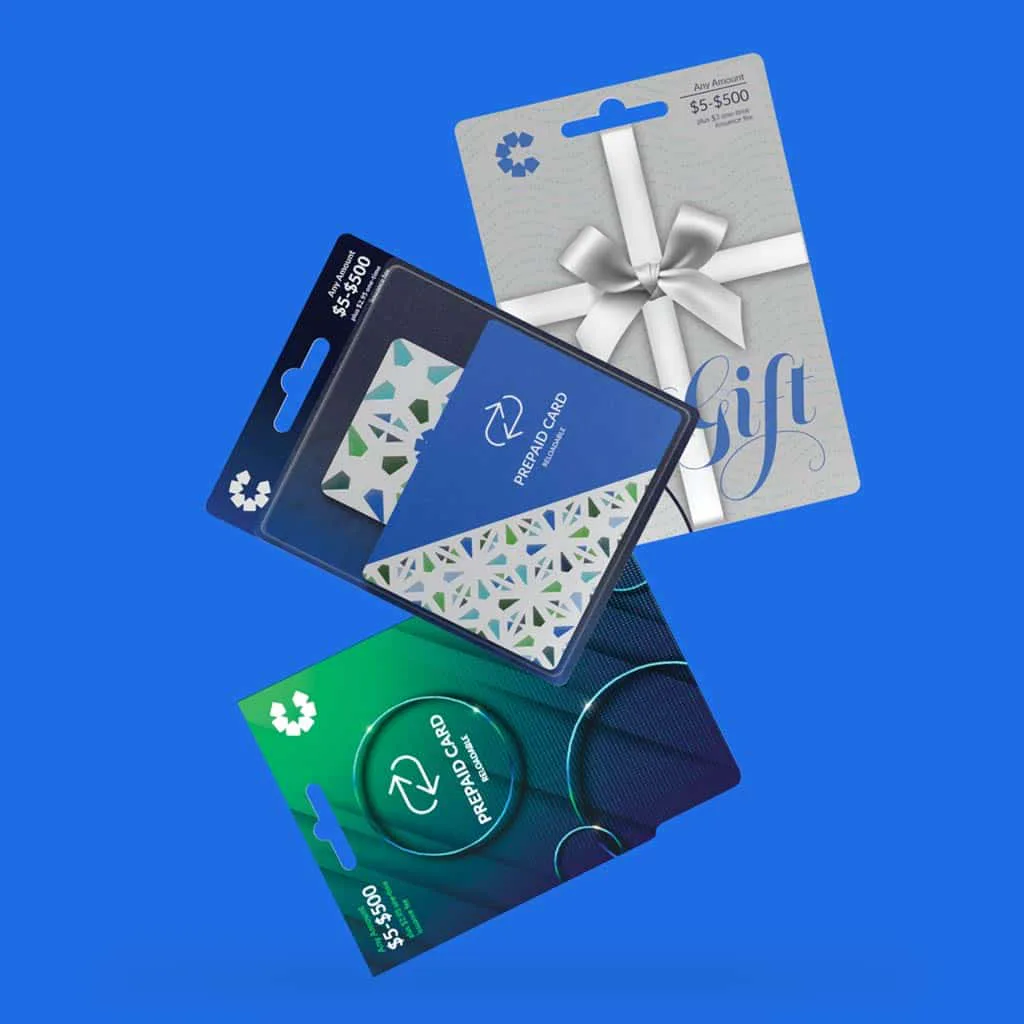
CPI Card Group's March 5, 2026 results showed annual prepaid revenue falling 12.1%, or 3.3% after adjusting both years for an accounting change. [S01]
The numbers point to a more specific story than declining enthusiasm for gift cards. CPI earns money from producing and supporting payment products. Its sales are affected by when orders are recognised, the packaging customers choose and how much work accompanies each card.
A manufacturer and service provider, not the gift balance
The annual report describes the Prepaid Debit business as supplying secure packaging, cards and integrated services to U.S. prepaid programme managers. Those revenues measure what CPI sells to business customers, not the value consumers load or spend. The group also produces debit and credit cards and provides personalisation and related payment services. [S02]
This position in the supply chain changes the question investors and programme managers should ask. A manufacturer can experience weaker sales because customers buy a less valuable product mix, even while a retailer continues selling gift cards. Conversely, higher production revenue need not imply an equivalent rise in consumer spending.
CPI annual reported Prepaid Debit revenue
Supplier segment revenue, before the accounting adjustment shown below.
USD million
Tap or hover for details. All values are also available in the data table.
Source
Supplier revenue includes cards, secure packaging and services. The accounting change affects comparability; this is not consumer gift-card demand.
Show data tableHide data table
| Category | Reported segment revenue |
|---|---|
| 2024 | 106.541 USD million |
| 2025 | 93.625 USD million |
Separating timing from trading
Two views of annual prepaid revenue
Years ended December 31. Company figures in USD million; accounting-adjusted values are non-GAAP.
USD million
Tap or hover for details. Select a series above to show or hide it.
Source
Each year has two presentations of the same business, not two revenue streams. Adjustment applies a consistent point-in-time recognition basis.
Show data tableHide data table
| Category | Reported | Accounting-adjusted |
|---|---|---|
| 2024 | 106.541 USD million | 102.341 USD million |
| 2025 | 93.625 USD million | 98.993 USD million |
CPI changed certain work-in-process revenue from recognition during production to recognition at shipment. Exhibit F restates the comparison on a consistent basis. [S01]
That adjustment addresses timing. It does not erase changes in product mix, pricing or customer orders, and it should not be treated as a second revenue stream. The narrower adjusted decline is useful precisely because it asks a different question from the reported accounts.
Show data tableHide data table
| Prepaid Debit metric | 2024 | 2025 |
|---|---|---|
| Annual revenue, USD million | 106.541 | 93.625 |
| Annual gross profit, USD million | 43.124 | 31.942 |
| Annual gross margin | 40.5% | 34.1% |
Source: CPI's annual report. Reported annual figures, not the adjusted series above. [S02]
The report connects prepaid weakness with the accounting change and stronger higher-value packaging sales in the prior year. Gross margin fell from 40.5% to 34.1%. Elsewhere it notes that more complex contactless cards generally sell at higher prices than simpler formats, illustrating why mix matters in this manufacturing business. [S02]
CPI's packaging range includes sealed foldover formats, multipacks and blister packs. Security construction is therefore part of what a programme manager buys, rather than an incidental wrapper around the loaded funds. [S04]
Why security technology is a commercial response
CPI acquired 20% of Karta in October 2025 for USD10 million in total consideration, comprising USD2.5 million paid in cash at closing and USD7.5 million of contingent rebates tied to future sales. The March results described continuing retailer pilots. [S01][S02]
CPI consideration for its Karta minority stake
Composition of the historical USD10 million transaction.
USD million
Tap or hover for details. All values are also available in the data table.
Source
The USD7.5 million component is contingent future-sales rebates. This is a 20% equity interest, not a pilot budget, company valuation or evidence of fraud prevention.
Show data tableHide data table
| Category | Investment consideration |
|---|---|
| Cash paid at closing | 2.5 USD million |
| Contingent consideration recorded | 7.5 USD million |
The historical partnership announcement identifies Karta as an Australian prepaid programme manager and payments technology business. CPI became its exclusive U.S. supplier for contactless gift cards using the SafeToBuy applet. The design removes printed payment details from packaging and keeps credentials inaccessible before activation. Its October announcement targeted an early-2026 U.S. launch and described a retailer pilot. [S03]
For CPI, the strategic opportunity is to sell a more valuable combination of production, personalisation and security. For Karta, a U.S. manufacturing relationship offers a route to customers that would be harder to reach through software alone. The minority investment gives CPI an economic interest beyond an individual production order.
That rationale should not be confused with achieved returns. Neither the pilot description nor the investment establishes nationwide adoption, the amount of fraud prevented or a profitable new revenue stream. Programme managers would ultimately have to pay enough for the added protection to cover its implementation and production costs.
Two different tests of progress
The existing prepaid business needs consistent revenue and margin comparisons. The security initiative needs evidence of deployment, customer adoption and commercial contribution. Keeping those tests separate avoids letting an attractive future product obscure a weaker year, while also avoiding the opposite mistake of interpreting an accounting-driven decline as a measure of the entire gift card market.
CPI reported prepaid gross margin
Historical profitability of the existing Prepaid Debit segment.
%
Tap or hover for details. All values are also available in the data table.
Source
Reported margins are affected by the revenue-recognition change and product mix. They do not measure the Karta pilot, adoption or fraud outcomes.
Show data tableHide data table
| Category | Reported gross margin |
|---|---|
| 2024 | 40.5% |
| 2025 | 34.1% |
Explore the figures: download the chart data as CSV.
In this article

Daniel Brooks
Daniel Brooks covers payment networks, financial technology, payment security, gift card fraud and PCI DSS for Gift Card News.