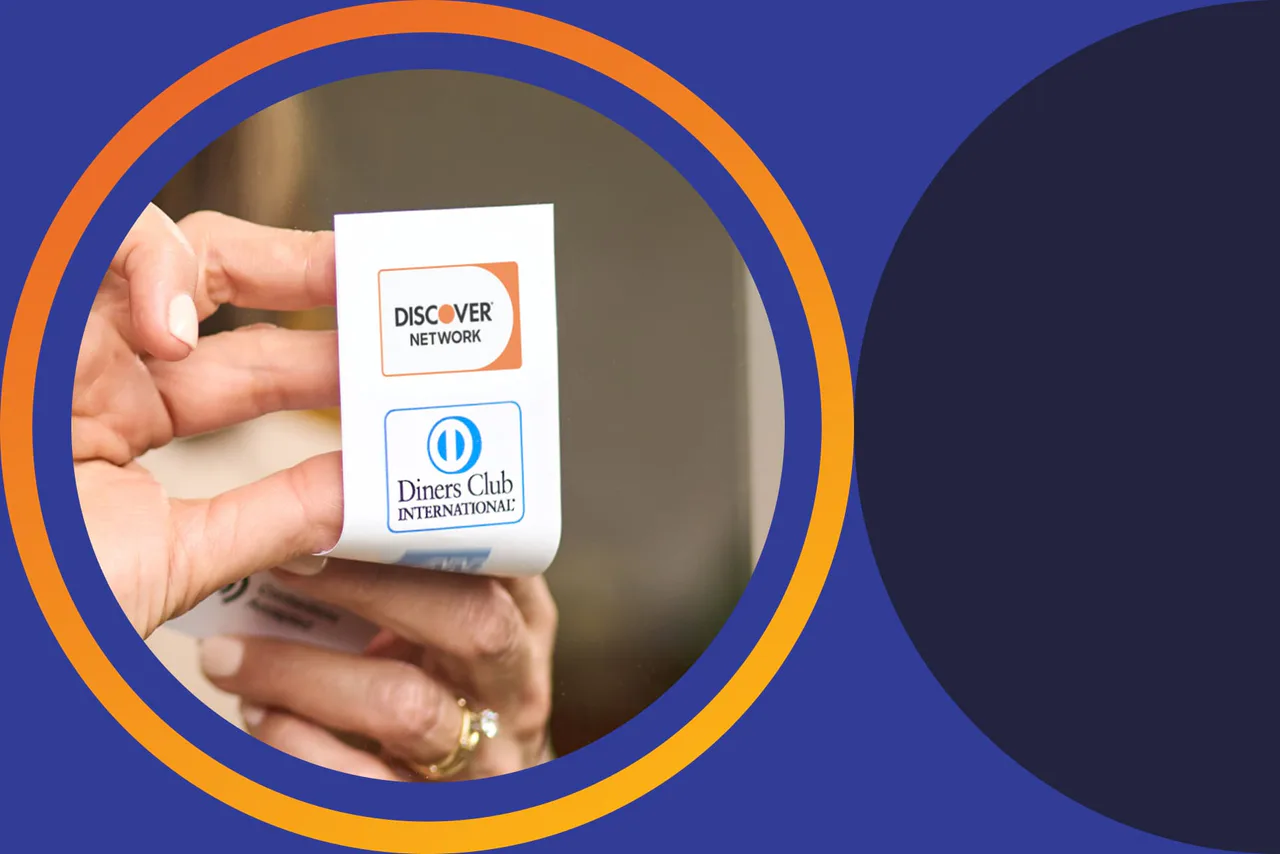
epay, part of Euronet Worldwide, announced an agreement with Discover Global Network in March 2025 to expand merchant payment acceptance in Germany and Greece. Retailers can accept Discover, Diners Club International and participating network-alliance cards through epay’s interface, both in stores and online. [S01]
An acceptance agreement with a defined starting point
The English release, dated March 25, said the service had already launched in both countries and envisaged further European expansion. It did not name subsequent markets or give a rollout timetable. [S01]
Michael Rupp, identified in the announcement as epay Germany’s director of payment, described the addition as an extension of its payment portfolio. Rajiv Gupta, then quoted as Discover Global Network’s vice president for international markets, connected the agreement with broader European acceptance. [S01]
| Area | What the announcement establishes |
|---|---|
| Initial markets | Germany and Greece |
| Channels | In-store and e-commerce |
| Merchant connection | epay interface |
| Further expansion | Planned, without a country list or timetable |
Table: scope stated in the March 2025 announcement. It provides no merchant activation total, transaction volume or commercial pricing. [S01]
Where this fits in the gift card business
epay supplies several parts of the retail payments stack. Its branded-content business distributes physical gift cards and digital codes, while its merchant-acquiring offering handles the acceptance and settlement side of card payments. Retail clients can encounter the same provider through either service. [S02] [S03]
That distinction matters here. This agreement lets a merchant take a payment from an existing cardholder. It does not, by itself, establish a new gift card programme, create a balance for a recipient or give a retailer permission to issue cards on a payment network. The announcement concerns the checkout side of the transaction.
The connection with gifting is therefore operational. A retailer selling gift products still needs customers to complete payment, but the instrument used to pay and the product purchased are separate things. A broader range of accepted payment cards does not determine which gift cards a store stocks or how those gift cards can later be redeemed.
From network access to a working checkout
epay describes acquiring as the process that connects merchants with card networks and issuers for authorisation, clearing and settlement. Its offering also covers billing and reporting. Those functions continue after a customer presents a card; the announcement of a network connection is only one part of the merchant relationship. [S03]
Acceptance also has a visible side. Discover provides signage for shop windows, tills and digital checkouts so customers can identify supported cards before paying. The official image accompanying this article illustrates that signage rather than a photographed epay rollout in either launch country. [S04]
For a retailer assessing the arrangement, practical questions include which locations and online channels are enabled, how settlements appear in reports, and which team handles a declined or disputed payment. Those are implementation questions, not outcomes established by the press release.
The announcement establishes a broader payment option in two markets. Whether it brings additional customers or repeat visits depends on actual usage, which the release does not measure.
Sources and documents
Collapse
In this article

Emma Carter
Emma Carter covers retail, e-commerce and the gift card shopping experience for Gift Card News.