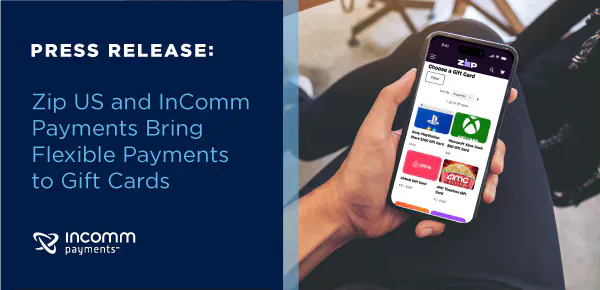
Zip has added gift card purchases to its US app through InComm Payments, bringing installment financing to another route for buying branded value. The May 19, 2026 announcement lets eligible customers browse participating brands, select an amount and choose a repayment option within the app. [S01]
For gift card suppliers, the arrangement puts inventory in front of an established lending audience. Zip cited 4.6 million active US customers and 29,000 merchant partners in the results accompanying the launch. The available categories include retail, dining, entertainment and travel. [S01]
A lending app meets a gift card distributor
Founded in Australia in 2013, Zip supplies the financing relationship. Its announcement identifies WebBank as loan originator, with approval and terms applying. [S01]
InComm’s role is different. Its branded-card business connects merchants with distribution channels and supplies processing, reporting and programme support. Its published service offering extends from retailers’ own stores to external sales channels, promotions and business reward programmes. The Zip integration adds a consumer app to that distribution model. [S02]
That division of labour matters commercially. Zip can broaden the things its customers buy without negotiating and operating a separate card programme for every brand. InComm obtains another outlet for participating issuers, while brands can reach shoppers who already use Zip. This is the distribution logic of the agreement; neither company disclosed the commercial split or a sales target.
Financing changes the purchase, not the card’s value
Zip’s published US repayment guidance says the first Pay in 4 installment is ordinarily due at purchase, with three further payments at two-week intervals. It also makes clear that fees can apply and that the terms shown at checkout govern the transaction. A larger first payment can be required for some customers. [S03]
A buyer therefore takes on two connected but distinct products: a gift card with its own redemption conditions and a financing obligation. Spreading the purchase price does not increase the balance available to the recipient or establish that buying the card is cheaper. That distinction becomes particularly important when a card is bought for someone else: the recipient receives spending value, while the purchaser remains responsible for repayment.
More occasions to use the same account
The partnership’s business case is repeat purchasing. A customer who already opens Zip to finance merchandise can now use the same app for a gift or a planned purchase at a participating brand. For the merchant, the opportunity is an additional prepaid sale; for Zip, it is another financed transaction within an existing customer relationship.
Whether that produces incremental spending depends on what customers would otherwise have done. Shifting a card purchase from a retailer’s website into Zip is different from attracting a new buyer. The launch announcement establishes availability, but does not report gift card volumes, repayment performance or customer acquisition costs for the integration. [S01]
In this article

Maya Bennett
Maya Bennett covers customer loyalty, employee rewards and incentive programmes for Gift Card News.