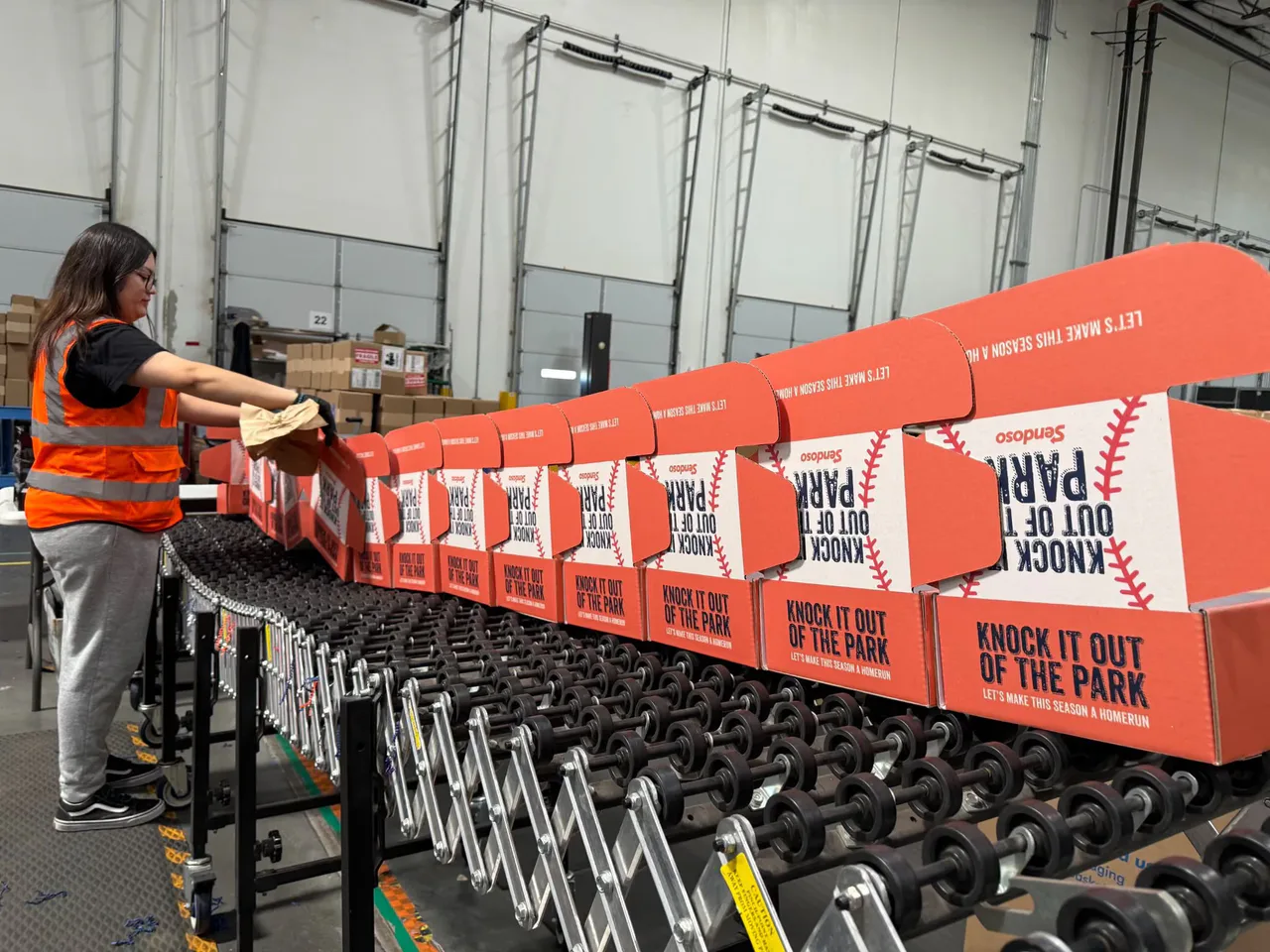
Sendoso reported that 86% of recipients of a baseball-themed gift kit attended its webinar, in a case study published on May 8, 2026. The campaign also promised a $50 ticket voucher for attending live. Its published account shows how a physical gift, a conditional reward and follow-up messages were combined, while leaving the separate effect of each component unmeasured. [S01]
The campaign combined two outreach groups
Sendoso sells corporate gifting software and fulfilment, including physical gifts and eGifts connected to sales and marketing workflows. In this case it was promoting its own webinar to field marketers, making it both the supplier and the marketer reporting the results. Attendance could create potential customers while letting them experience the product. [S02]
The company describes offering a themed kit to 429 field marketing contacts and cross-promoting the webinar to an additional 450 contacts it considered high value. The first figure is an outreach population, not a count of delivered kits. Sendoso says 21% accepted the offer, but it does not publish an exact accepted-gift count. [S01]
The two reported outreach populations
Contact counts disclosed for the themed gift offer and the additional webinar cross-promotion.
contacts
Tap or hover for details. All values are also available in the data table.
Source
Counts describe outreach, not confirmed recipients or attendees. The source does not provide a complete deduplicated cohort flow or identify these groups as randomized.
Show data tableHide data table
| Category | Contacts in the reported outreach group |
|---|---|
| Contacts offered the gift kit | 429 contacts |
| Additional contacts cross-promoted | 450 contacts |
The kit included a branded baseball, Cracker Jacks and a ticket-style invitation to register. It also introduced the separate $50 voucher available to live attendees. Email outreach and follow-ups triggered by delivery notifications accompanied the physical offer. The voucher therefore rewarded a later action than accepting the kit, but the design does not isolate what the voucher added. [S01]
The linked field-marketing playbook describes the same general sequence: an initial registration prompt followed by another incentive tied to attendance. It is guidance rather than a reconciliation of this campaign’s raw records. Sendoso’s current personalization article likewise advocates event or behavior triggers and recipient choice; its present page is dated July 17, 2026. [S03] [S04]
The attendance gap is an association, not an isolated gift effect
Sendoso reports an 86% show rate among kit recipients and approximately 14% for its nongifted audience. The public account does not give the exact attendance denominator for either group. In particular, the 429 people offered a kit cannot be substituted for the number who actually received one, and the 450 additional outreach contacts are not established as the nongifted comparison cohort. [S01]
Attendance in the company’s reported comparison
Reported webinar show rates for gift-kit recipients and the nongifted audience.
%
Tap or hover for details. All values are also available in the data table.
Source
The nongifted figure is explicitly reported as approximate. Exact cohort sizes and campaign dates are undisclosed. These are self-selected groups, not randomized treatment and control groups.
Show data tableHide data table
| Category | Reported attendance rate |
|---|---|
| Gift-kit recipients | 86% |
| Nongifted audience (approximately) | 14% |
Across all registrants, Sendoso reported 37% attendance and described registrations as approximately 280. Those totals do not supply the missing group-level counts. Rounded registration, acceptance and attendance percentages should not be combined into a synthetic participant dataset.
Someone who accepts a kit may already be more interested in the webinar than someone who declines it. The follow-up messages, themed content and promised voucher could also influence attendance. The observed gap is therefore useful evidence about this campaign’s audience behavior, but it does not show how much of the difference the gift or voucher caused.
Attendance is also an intermediate commercial result. The case supplies no complete campaign costs, subsequent conversion rates or profit contribution, and does not identify the voucher issuer. Evaluating profitable acquisition would require those downstream outcomes alongside comparable audiences. The published figures establish a strong reported association within one campaign, rather than a universal return on a $50 incentive.
In this article

Suzie Elis
Suzie Elis covers gift card products, digital gifting and distribution for Gift Card News.