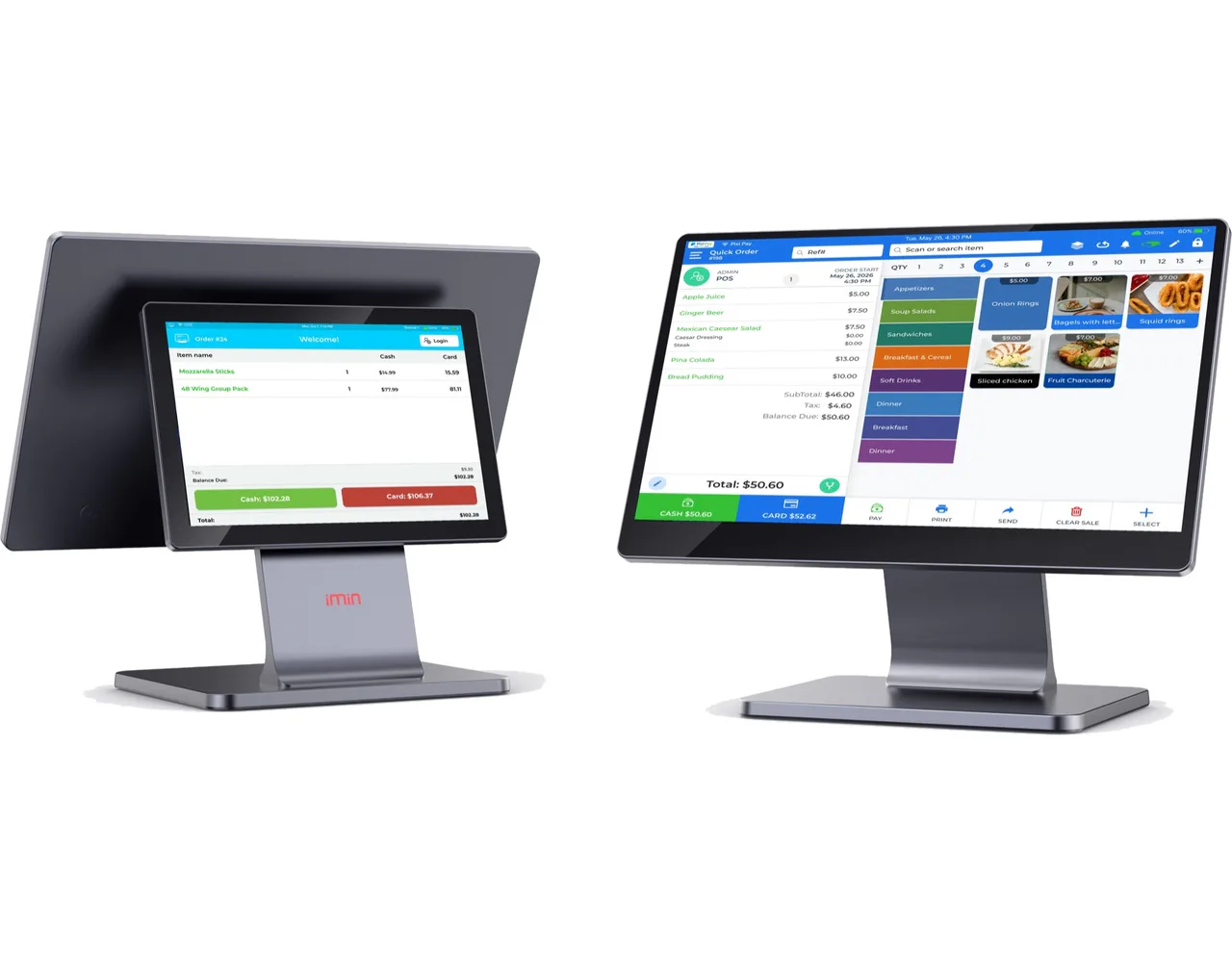
PixlPay has partnered with Factor4 to offer branded gift card programmes to its US merchant customers, adding stored-value technology to its payment processing and point-of-sale services. The March 17, 2026 announcement covers access to Factor4’s platform for restaurants, retailers and service businesses. [S01]
The agreement is a distribution partnership: a merchant’s payments provider can now offer another tool for bringing customers back to the business. It does not establish that every terminal or POS package sold by PixlPay has received a new software integration.
A local payments relationship meets specialist technology
PixlPay was founded in Arkansas by Jesse Parker and Thomas Baxter and describes itself as independently owned. Its business combines payment acceptance, POS technology and merchant support. The company says it separates its own charge from card-brand costs, making the processing relationship a paid service rather than a free referral directory. [S02]
Its published payments offering includes in-person and remote acceptance, invoicing, transaction reporting and help with chargebacks and deposits. Pricing options depend on the merchant’s setup and volume. Those existing operational touchpoints provide a route to discuss gift cards with businesses already using PixlPay for everyday transactions. [S03]
Factor4 supplies the specialist platform. It processes gift card and loyalty transactions in real time and supports physical card production, digital delivery and programme reporting. Its distribution model explicitly includes payment processors, software providers and independent sales organisations, so the PixlPay agreement follows an established partner strategy. [S04]
What each partner gains
PixlPay’s Jesse Parker presented the partnership as a way to give merchants an accessible platform for building customer relationships. Factor4 chief executive Dan Battista emphasised extending the company’s technology and support to more merchants. The announcement describes selling and redeeming cards across stores, online and mobile channels. [S01]
For PixlPay, the commercial gain is a broader merchant offering without having to develop and operate its own gift card ledger. A business already seeking help with checkout can discuss stored value within the same supplier relationship. That may make the payments relationship more useful, although no merchant-retention improvement has been reported.
For Factor4, PixlPay brings access to merchant relationships and local sales conversations. That can expand distribution without Factor4 acquiring every small business directly. The parties did not publish referral commissions, subscription pricing or the number of merchants expected to adopt the service, so the economics cannot be reduced to a disclosed per-card fee.
A programme has value only when merchants use it
A branded gift card takes payment today for a future purchase with the merchant. Its commercial purpose differs from ordinary card acceptance: the buyer is committing spending value to a particular business, often for someone else to use later. A programme also creates a balance to track and an obligation to fulfil, rather than making the entire sale immediately equivalent to profit.
The partnership’s operational appeal is bringing that programme closer to the systems and support merchants already use. Actual value will depend on setup, staff use, reliable redemption and costs relative to additional business. The March announcement expands access to a platform; it does not provide adoption data or measured sales gains. [S01]
In this article

Suzie Elis
Suzie Elis covers gift card products, digital gifting and distribution for Gift Card News.