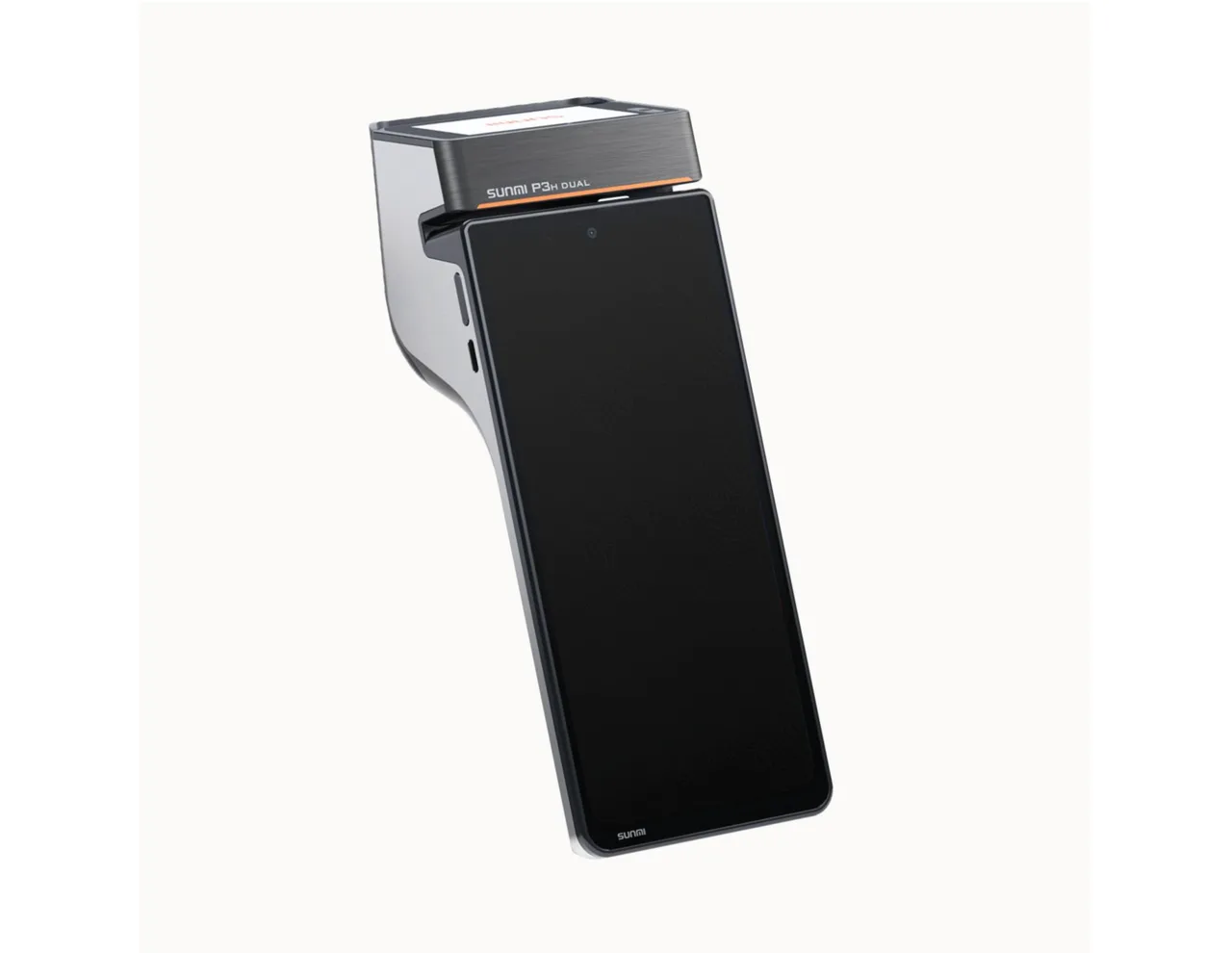
Factor4 has added another route into merchants' tills through a gift card integration with Stackably. Announced on February 18, 2026, the connection brings physical and digital cards into the point-of-sale workflow, including sales, redemption, balance tracking and reporting across locations. The companies say it requires no additional hardware. [S01]
The immediate change is operational. Staff can handle a gift card where they already take payment, rather than maintaining a separate process. The larger business decision is about distribution: a specialist gift card supplier gains access through software a merchant has already chosen.
Two companies at different points in the sale
Factor4 supplies gift card and loyalty technology as well as card design, production and fulfilment. Its platform processes transactions across stores, online and mobile channels, and it works with payment and software partners to reach merchants. That combination makes integration a sales channel as well as an engineering task. [S03]
Stackably packages industry-specific POS and payment tools and says it works exclusively through a partner network for local service and support. Its contact information places the business in Duncansville, Pennsylvania. Customers are directed to a partner in their area rather than an entirely self-service purchasing route. [S02]
The arrangement therefore links two layers of distribution. Factor4 supplies specialist functionality; Stackably places it in the merchant's operating system; local partners remain part of the customer relationship. The firms do not disclose a revenue split or the price merchants pay for this gift card connection.
Why each side has a reason to participate
In the announcement, Factor4's Dan Battista emphasised reaching Stackably's business network. Stackably's Ben Shirey framed the integration around repeat visits and simpler operations. Those statements identify the commercial aims without providing results from installed merchant programmes. [S01]
For Factor4, access to an existing POS customer base can make a gift card programme easier to propose and deliver. Each integration may also create further demand for branded cards and programme support. It does not follow that every Stackably customer will adopt the service or become a profitable account.
For Stackably, the benefit is a more complete operating proposition. A business that wants to sell gift cards has one less reason to look for an additional application. Keeping those transactions within the checkout can also give its support network a clearer place to investigate a balance or redemption problem.
The merchant's potential gain is different again. A branded gift card can bring payment ahead of the eventual visit and introduce a recipient who was not the original buyer. But prepaid cash comes with the obligation to honour the balance. The face value sold is not automatically incremental profit.
The operating details determine the outcome
Cross-location redemption makes reconciliation important. A card sold at one location may be spent at another, so a multi-site operator needs records that connect issuance, remaining value and the place where goods or services are delivered. The announcement promises real-time reporting but does not publish settlement arrangements for independently owned locations. [S01]
The credible test is whether the connection reduces duplicated work and supports a usable gift card programme at an acceptable total cost. Extra visits, additional spending and lower customer attrition would be further outcomes to measure.
This is a distribution and workflow agreement with a clear industry purpose. Its commercial value rests on merchant adoption and day-to-day execution, not merely on adding another integration to a product list.
In this article

Suzie Elis
Suzie Elis covers gift card products, digital gifting and distribution for Gift Card News.