Dine Brands Global reported a gift-card liability of $151.5 million at September 27, 2026, down $31.2 million from its fiscal year-end balance. The parent of Applebee's, IHOP and Fuzzy's Taco Shop released the figures with its third-quarter results on November 4. [1] [2]
Outstanding balances and amounts due from card sellers
The liability was 17.1% below the $182.7 million recorded on December 28, 2025. Over the same balance-sheet dates, gift-card receivables declined from $33.3 million to $7.2 million. The filing describes those receivables mainly as money owed by third-party sellers that have already collected payment for purchased cards. [1]
Dine Brands gift-card balances at two reporting dates
Gift-card liability from the consolidated balance sheet and gift-card receivables from Note 5 of the quarter-ended September 27, 2026 Form 10-Q.
USD million
Tap or hover for details. Select a series above to show or hide it.
Source
Consolidated balance-sheet stocks at fiscal year-end and the latest quarter-end, not year-over-year sales or redemption volumes. Receivables are a separate asset and must not be subtracted from liabilities to infer breakage or net card sales.
Show data tableHide data table
| Category | Gift-card liability | Gift-card receivables |
|---|---|---|
| December 28, 2025 | 182.7 USD million | 33.3 USD million |
| September 27, 2026 | 151.5 USD million | 7.2 USD million |
Dine administers gift-card programmes for its restaurant concepts. Its annual accounting policy says it records a liability when a card is sold and a prepaid asset for programme administration costs. Those balances are relieved when redemption and settlement with the restaurant occur. For a franchise restaurant, Dine remits the proceeds after applicable costs. [3]
That structure separates the promise attached to outstanding cards from cash still due from sellers. A lower liability does not, by itself, identify how many cards were sold or redeemed during the period. The quarterly statements do not provide gross gift-card sales, gross redemptions or a current gift-card breakage figure that would allow those flows to be reconstructed. [1] [3]
A more negative gift-card working-capital contribution
The operating cash-flow statement reports a negative $11.5 million contribution from gift-card receivables and payables in the first nine months of 2026, compared with negative $6.1 million in the corresponding 2025 period. That is a $5.4 million movement further into negative territory on this specific reconciliation line. [1]
Gift-card receivables and payables in operating cash flow
The gift-card working-capital reconciliation line in Dine Brands' consolidated cash-flow statement for comparable nine-month periods.
USD million
Tap or hover for details. All values are also available in the data table.
Source
Parentheses in the source are represented as negative values. This is one operating working-capital reconciliation line, not total operating cash flow, gross gift-card cash receipts or a measurement of customer demand.
Show data tableHide data table
| Category | Gift-card receivables and payables |
|---|---|
| Nine months to September 28, 2025 | -6.1 USD million |
| Nine months to September 27, 2026 | -11.5 USD million |
This comparison uses equivalent nine-month periods, while the earlier chart compares two balance-sheet dates. The measures answer different questions: outstanding obligations and seller receivables are stocks, whereas the cash-flow line records a period adjustment. Combining them as a residual would not establish gift-card breakage or lost sales. [1]
The accounts also state that cash related to Dine's gift-card programmes is not classified as restricted cash. A separate depository-account balance combines gift-card and IHOP advertising money, so it cannot be treated as a dedicated gift-card cash reserve. The filing therefore supports a narrower picture of card obligations and settlement timing than a headline about gift-card demand would suggest. [1]
Independent restaurant-industry coverage of the results focuses on Dine's operating performance and investment in its restaurant portfolio. It does not provide separate gift-card transaction data. The new card figures remain company-reported financial disclosures, with no announced change to customer redemption terms in the reviewed materials. [2] [4]
Related reporting: Brinker's disclosed gift-card sales and Cheesecake Factory's gift-card activations use different measures from Dine's outstanding liability.
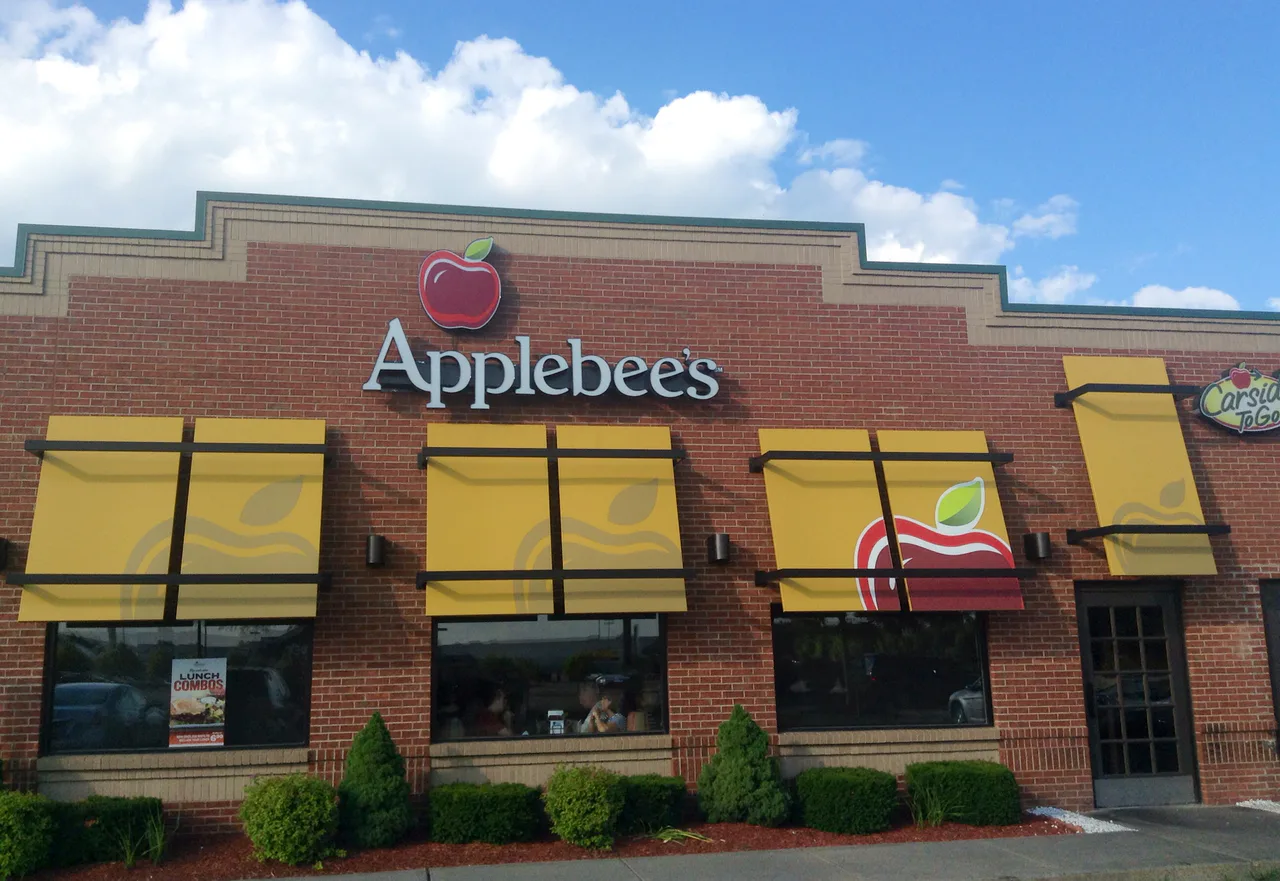
Image: Applebee's in Plainville, Connecticut, photographed in June 2014. Contextual image, not a depiction of the reporting quarter. Mike Mozart / Wikimedia Commons, CC BY 2.0. Resized and converted for publication. [5] [6]
In this article

Daniel Brooks
Daniel Brooks covers payment networks, financial technology, payment security, gift card fraud and PCI DSS for Gift Card News.