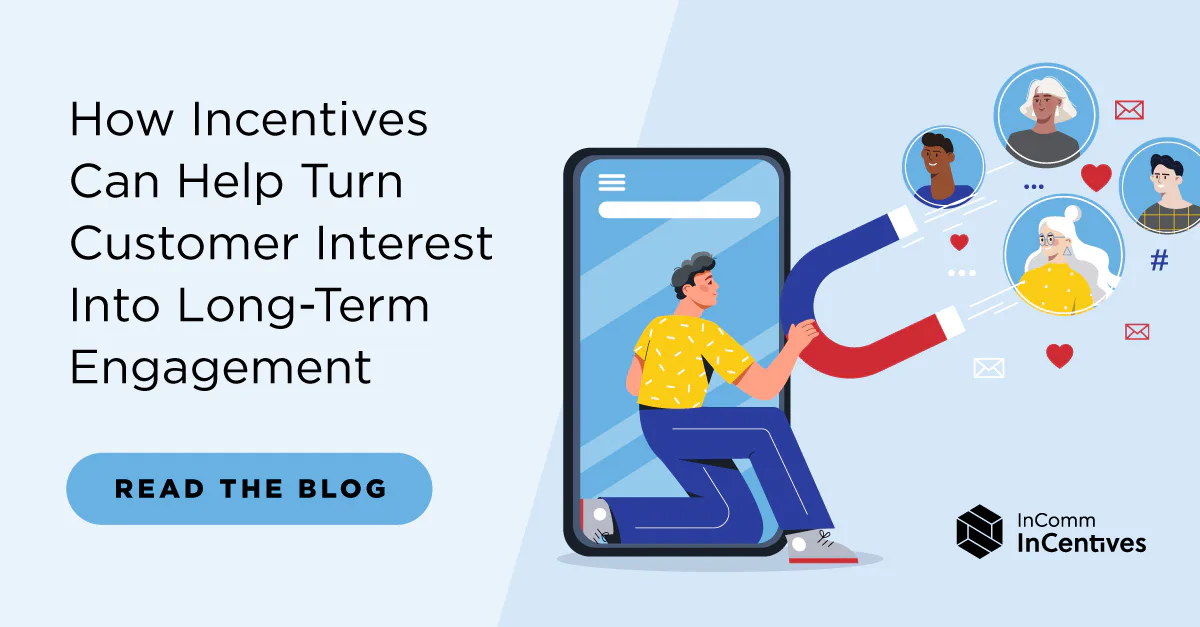
InComm InCentives is asking businesses to use reward cards at the points where a customer relationship loses momentum. Its August 21 article targets missed demonstrations, incomplete applications, limited referrals and weak feedback participation, making a case for rewards that address a defined commercial action. [S01]
The timing is part of the pitch. The article addresses fall campaigns and year-end goals and links the argument to an eligible-order fee and shipping promotion. [S01] Programme advice and selling fulfilment are operating together.
The supplier behind the proposal
InComm InCentives is the rewards and disbursements division of InComm Payments. The wider company supplies payment and gift-card technology to merchants and other businesses, giving the incentives operation a position within prepaid distribution rather than ownership of the customer's underlying product. [S02]
InComm traces its origins to a prepaid long-distance phone-card business founded by Brooks Smith in 1992. [S03] The current acquisition-and-retention proposition applies that distribution capability to business budgets that may recur throughout a customer relationship.
For the provider, the opportunity is to move from a one-off card order to repeated fulfilment when buyers complete a qualifying action. For the customer paying for the campaign, the benefit must come from additional business or useful participation. A distributor can gain transaction volume even when a poorly designed campaign fails its buyer.
Paid activity is not the same as customer value
InComm's article distinguishes awareness from meaningful action and recommends measuring qualified meetings, conversions and acquisition cost rather than delivery alone. It extends the analysis after a first purchase to repeat buying, renewals and referrals. [S01]
This is especially important in B2B sales, where the person accepting an incentive may not control the eventual budget. A meeting can be relevant without becoming a sale. A reward that brings forward an interaction already likely to happen can increase activity without creating equivalent additional value.
The economic question is what the incentive changes. A reasonable assessment separates the reward expense and operating effort from the contribution earned on subsequent business, and allows for the fact that customers have different acquisition costs and margins. Neither a redeemed card nor a completed demo answers that question alone.
The ordering relationship has its own terms
InComm's published shop FAQ requires prepayment and says discounts depend on brand and order volume. [S04] Those conditions explain why a campaign's face-value budget is only the starting point for assessing its cash requirements and actual procurement cost.
A physical or digital format can change handling and timing, but the choice should follow the audience and the promised experience. It is possible to make delivery efficient while still paying the wrong people or asking them to do something that has little business value.
InComm's August argument is therefore most useful as a view of where the supplier sees demand: reward cards embedded across the customer life cycle. The article offers programme logic, not a disclosed customer experiment demonstrating a retention increase. The outcome depends on qualification, relevance and the economics of the business funding the reward.
In this article

Maya Bennett
Maya Bennett covers customer loyalty, employee rewards and incentive programmes for Gift Card News.