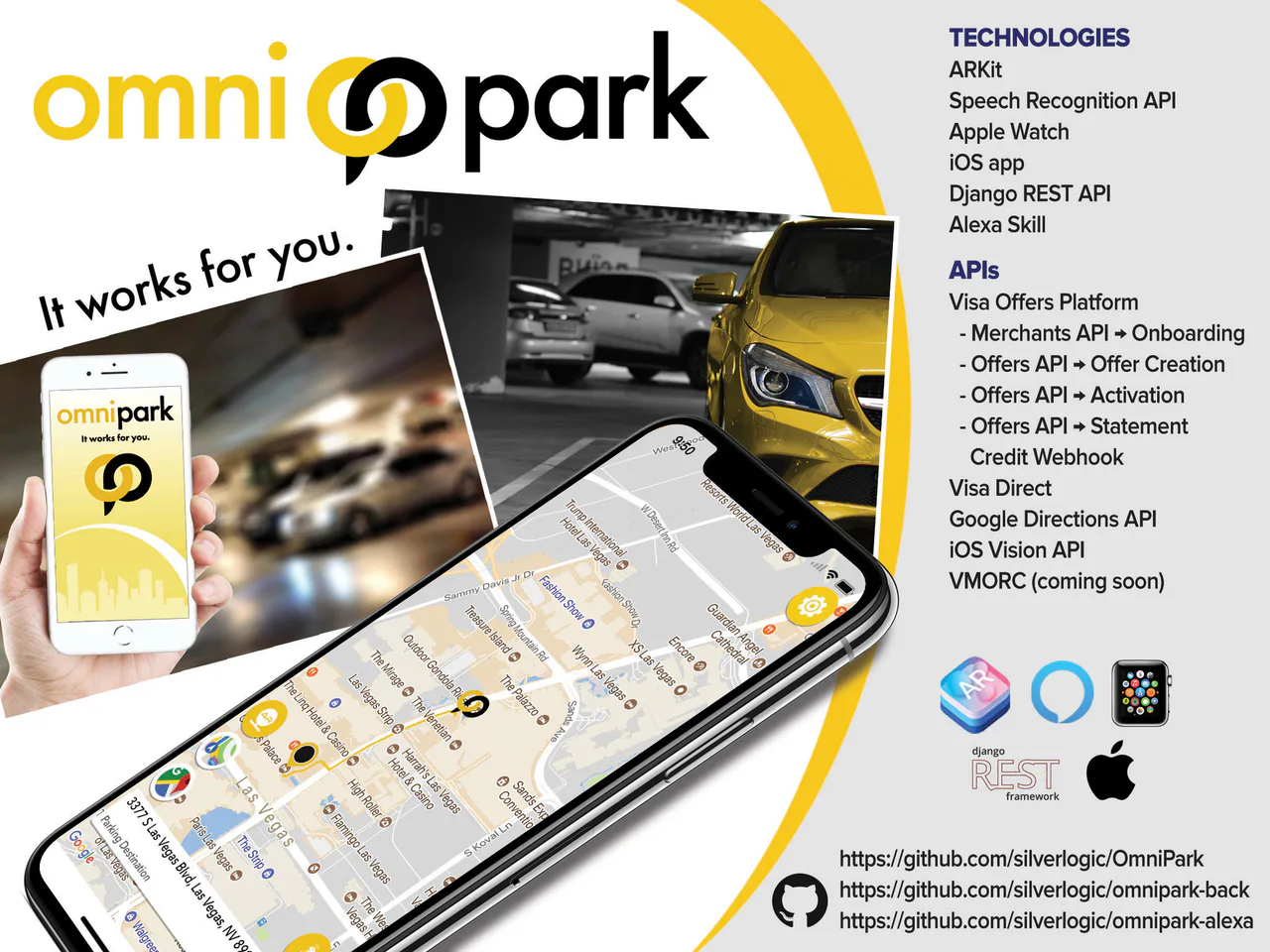
Virtual Incentives said it delivered $20,000 in prize money to the Visa Developer Challenge winners at the October 2017 Money20/20 Hackathon in Las Vegas. Its December 21 announcement described work with Marqeta and Visa to distribute the award digitally. [S01]
A working example of digital prize fulfilment
The winning team was The Silver Logic, whose Omnipark project proposed an augmented-reality parking application. Marqeta’s event account also identified Omnipark as the Visa challenge winner. Virtual Incentives said this was the second consecutive year it had participated in the event. [S01] [S02]
The company described the award as delivered through Visa cards. Its release identified Sutton Bank as the issuer of the Virtual Incentives card. The $20,000 figure was the reported award to this challenge winner, rather than the total prize pool for the whole hackathon. [S01]
The award and the payment are separate steps
Competitions bring a practical fulfilment problem into focus: selecting a winner does not itself put the money in the winner’s hands. A digital reward programme provides a way to complete that handover without organising a separate physical-card delivery at the venue.
For an organiser, the useful questions concern the recipient experience after the presentation: how the award is received, what spending restrictions apply and who resolves a delivery problem. A successful award ceremony alone does not answer them.
The historical case documents one concrete use of digital reward infrastructure. It does not provide a comparison of delivery costs, redemption behaviour or recipient satisfaction against another payment method.
Sources and documents
Collapse
- [S01] Company announcement — www.virtualincentives.com
- [S02] Live from Money20/20 2017 — Marqeta
In this article

Suzie Elis
Suzie Elis covers gift card products, digital gifting and distribution for Gift Card News.