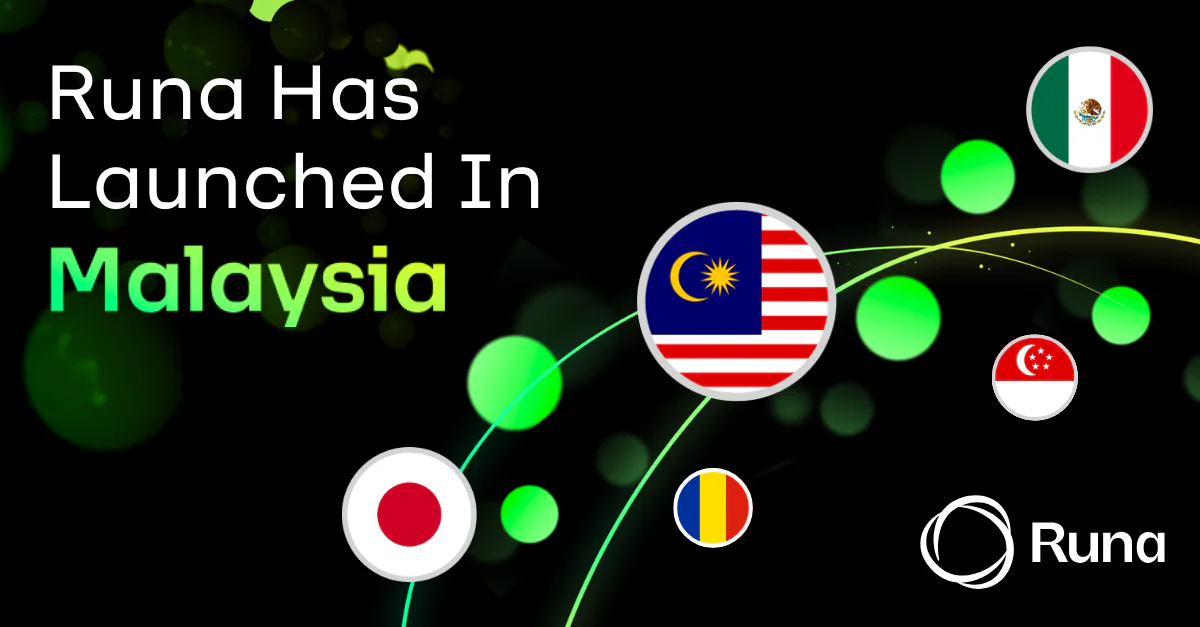
Runa announced its Malaysia launch on March 27, 2024, following its expansions into Japan and Singapore. It added local merchant choices and Malaysian-ringgit conversion to its international digital reward and payout service. [1]
The financial-pressure evidence behind the rewards pitch
Runa cited employee financial pressures to support its case for more flexible access to rewards. The original PwC Malaysia publication, released on June 20, 2023, reports that 14% of employees struggled to pay their monthly bills, while 47% could cover expenses but had little or nothing left over. The second figure gives a more precise meaning to the launch announcement’s description of almost half living from one payday to the next. [1] [2]
Financial pressure reported by Malaysian workers in 2023
Two financial-pressure findings cited by Runa, checked against the original PwC publication. Malaysia sample: 1,500 respondents; fieldwork March to May 2023.
%
Tap or hover for details. All values are also available in the data table.
Sources
Selected self-reported survey findings, not an exhaustive income distribution, gift-card adoption measure, or Runa customer result. No residual percentage or combined total is inferred.
Show data tableHide data table
| Category | Share of Malaysian respondents |
|---|---|
| Struggle to pay monthly bills | 14% |
| Cover expenses with little or nothing left | 47% |
PwC’s Malaysia country profile identifies 1,500 respondents and fieldwork from March to May 2023. Its wider Asia Pacific report covers 19,502 respondents. The plotted percentages describe the Malaysian survey population, not the regional total, all Malaysian residents or recipients of Runa payouts. The public Malaysia summary supplies the two financial findings but does not provide their respondent-level data or a financial-question-specific margin of error. [2] [3] [4]
The survey predates the launch and records what workers reported about their finances. It does not measure the effect of a gift card, establish that employees wanted rewards instead of pay, or show that Runa reduced financial stress. The figures explain the context invoked by the company; evaluating the product’s effect would require separate recipient and redemption evidence. [1] [2] [3]
On the product side, Runa described Runa FX as offering round-the-clock ringgit conversion using real-time exchange rates, accessible through the same API integration as its other supported markets. The named local merchant examples were Lulu Hypermarket, GrabFood, Trevo and Watsons. The announcement did not publish a comparable fee schedule or realised exchange-rate saving. [1]
Runa said its global network exceeded 3,000 payout options, spanning digital gift cards, prepaid cards, charitable donations and subscriptions. That was a worldwide catalogue claim, not a count of Malaysian products. It positioned the expansion around consumer payouts, employee rewards and incentives, alongside Malaysia’s broader digital-economy ambitions for 2030. [1]
The concrete addition was local catalogue coverage and ringgit functionality within an international distribution service. The launch did not disclose Malaysian issued value, recipient counts, redemption rates or measured financial-wellbeing improvements. Those outcomes remain separate from the availability of a local payout option and from the historical PwC survey. [1] [2]
In this article

Emma Carter
Emma Carter covers retail, e-commerce and the gift card shopping experience for Gift Card News.