Research & Trends News
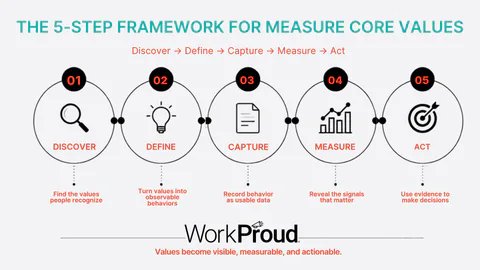
WorkProud Outlines Employee Recognition Data and Reward Program Measurement
The framework uses tagged recognition records and five measures, with client examples and explicit limits on drawing causal conclusions.

The framework uses tagged recognition records and five measures, with client examples and explicit limits on drawing causal conclusions.
UPay reports rising HMRC crypto tax warnings as service providers prepare their first reports under the Cryptoasset Reporting Framework.
InComm InCentives outlines reward-card uses across demos, referrals, feedback and renewals, with program measurement tied to customer actions and costs.
Arrowhead Promotion draws on consumer surveys to argue for simple offers that support immediate sales and repeat purchases.
Giftogram compares discounts with separate rewards for referrals, upgrades, loyalty milestones, research and customer reactivation.
TruCentive provides guidance on how administrators can compare unique merchants and supplier coverage without being misled by inflated reward catalog numbers.
A revised white paper examines reward value, timing, framing, schedules and recipient choice, while setting out limits to the evidence.
UPay’s guide discusses crypto transaction records, residence and reporting across jurisdictions, with an explicit November 2025 cutoff for its tax analysis.
Kudoboard’s recognition ROI framework tracks administration, participation and message quality before attributing wider workforce outcomes to eCards.
Giftogram distinguishes acknowledgment from tangible rewards and describes how HR integrations can trigger branded gift cards for employee milestones and achievements.
YOUGotaGift describes using the HappyYOU Summer Star card to thank employees covering colleagues and keeping work on track during summer leave.
Giftbit’s program-design guide compares web-app delivery with API and Zapier automation, alongside reward terms, catalog selection and funding controls.