
Israel statistics bureau tenders digital and physical gift vouchers
The September procurement estimates annual demand of ILS2 million to ILS5 million, with survey-system integration and physical cards for recipients without digital access.

Tremendous’s referral survey highlights recipient choice. Its reward-brand revenue model explains why that finding matters to the company and its customers.
BHN’s payout survey supports its push beyond gift purchases into refunds and rebates. The business opportunity depends on usable funds, support costs and recipient choice.
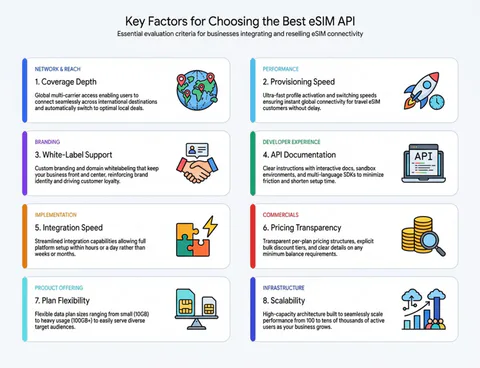
Zendit's eSIM API is designed for developers to integrate eSIM functionality into existing products, offering global reach and flexible integration.
Yoyo is selling gift card processing as shared retail infrastructure. The commercial stakes extend from reliable balances to supplier dependence.
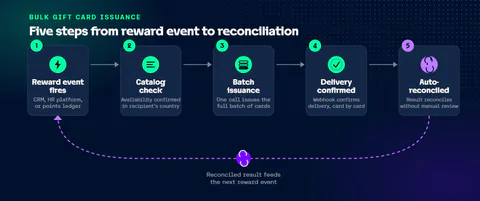
Reloadly’s bulk gift card proposition targets repeat reward orders. The economics depend on funding, delivery controls and distinguishing an issued card from a completed purchase.
Intercash presents branded corporate gift cards as a managed issuing service. The model separates client branding, programme management and licensed payment services.
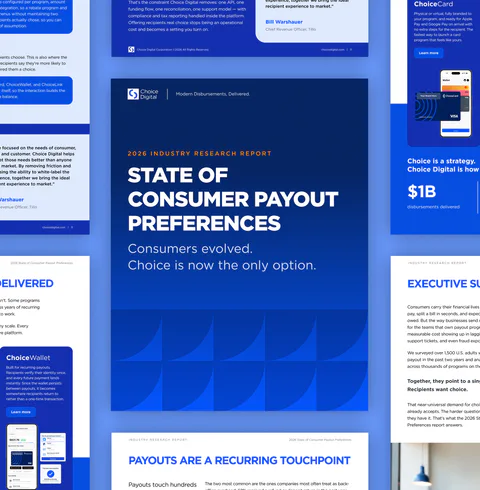
Choice Digital’s research supports its multi-method payout business, while showing why more recipient choice does not automatically produce more gift card redemptions.
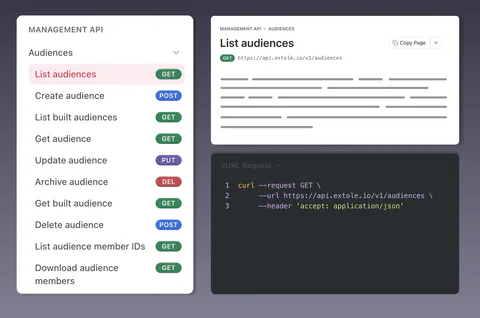
Extole's API model puts reward decisions inside a brand's own systems, reducing manual handling while making integration quality part of the commercial risk.
Corporate orders grew faster than Todo's overall Father's Day gift-card sales, while its Zift Card campaign reported separate gains across a longer period.
Citi and Cross River lead a financing tranche for the platform that buys restaurant credit and sells it to diners. The disclosed amounts are lender commitments.
Tremendous’s U.S. platform data gives Amazon.com a 13.87% share of reward dollars, while count-based rankings reveal a different order among other merchant cards.